
When you search for amazon organization hacks small spaces, the real challenge isn't finding clever products. It's spotting the hidden pockets of an inch, a foot, or a vertical wall that most people walk past every day. Your tiny apartment isn't short on space.
It's short on visual organization. The right storage doesn't cost a fortune or need a drill. It just has to fit the physical reality of your home.
The good news? As of 2026, the market is full of no-drill adhesive hooks, tension rods, and stackable bins you can remove without losing a security deposit. Manufacturer specifications list exact weight limits and dimensions.
Most adhesive hooks hold 1 to 5 pounds. Get those numbers right, and you can turn an awkward gap under the bed into genuinely usable space. So this guide starts with your eyes, not your credit card.
Quick Answer
The best amazon organization hacks small spaces use vertical walls, tension rods, and adhesive hooks. Measure every gap before you buy. Check weight limits on all mounting hardware.
Look for clear bins so you can see what's inside. Start with one small zone, like a bathroom cabinet, and build from there.
Why Small-Space Organization Is a Visual Game
Here's what most guides miss: organization is a spatial skill, not a shopping exercise. A photo of a perfectly styled pantry tells you almost nothing about your own kitchen. But a photo of a tension rod wedged between a cabinet and the wall shows you exactly how the arrangement works.
That's why visual references beat product lists every time.
In our research, the most successful small-space setups share one trait. They treat vertical surfaces like prime real estate. A wire rack on the back of the pantry door.
A magnetic strip beside the stove. Adhesive hooks behind the bathroom door. These aren't new products.
They're new positioning.
The visual shift matters for another reason. When you see a space as three-dimensional, you start noticing gaps. The 4-inch strip between the fridge and the counter.
The 6-inch gap under the bed. The dead zone above the toilet tank. Aggregate reviews and manufacturer photos reveal how others solve those exact spots.
Look for photos that show scale. A floating shelf in a staged home means nothing. The same shelf squeezing into a studio apartment corner, with a plant and a stack of plates, teaches you how it functions.
You're not buying a product. You're borrowing a solution.
Visual organization also reduces decision fatigue. When bins are clear, when shelves are labeled, when every item has a visual address, your brain registers order without effort. Small spaces feel calmer when they look calmer.
So before you open any shopping tab, look around with fresh eyes. Take photos of every wall, corner, and gap. You'll be amazed at the space you've been ignoring.
What to Measure Before You Click "Add to Cart"
Before you buy anything, you need three numbers: height, width, and depth. Not just of the product listing. Of the actual space where it will live.
Manufacturer dimensions on Amazon are accurate, but they only matter when you compare them to your own measurements.
Grab a tape measure and map your target zones. For under-bed storage, measure the gap between the floor and the bed frame. Standard bins need about 6 to 8 inches of clearance.
For over-door organizers, measure the door itself, including the gap between the door and the frame. Thick doors or baseboards can block hanging hooks.
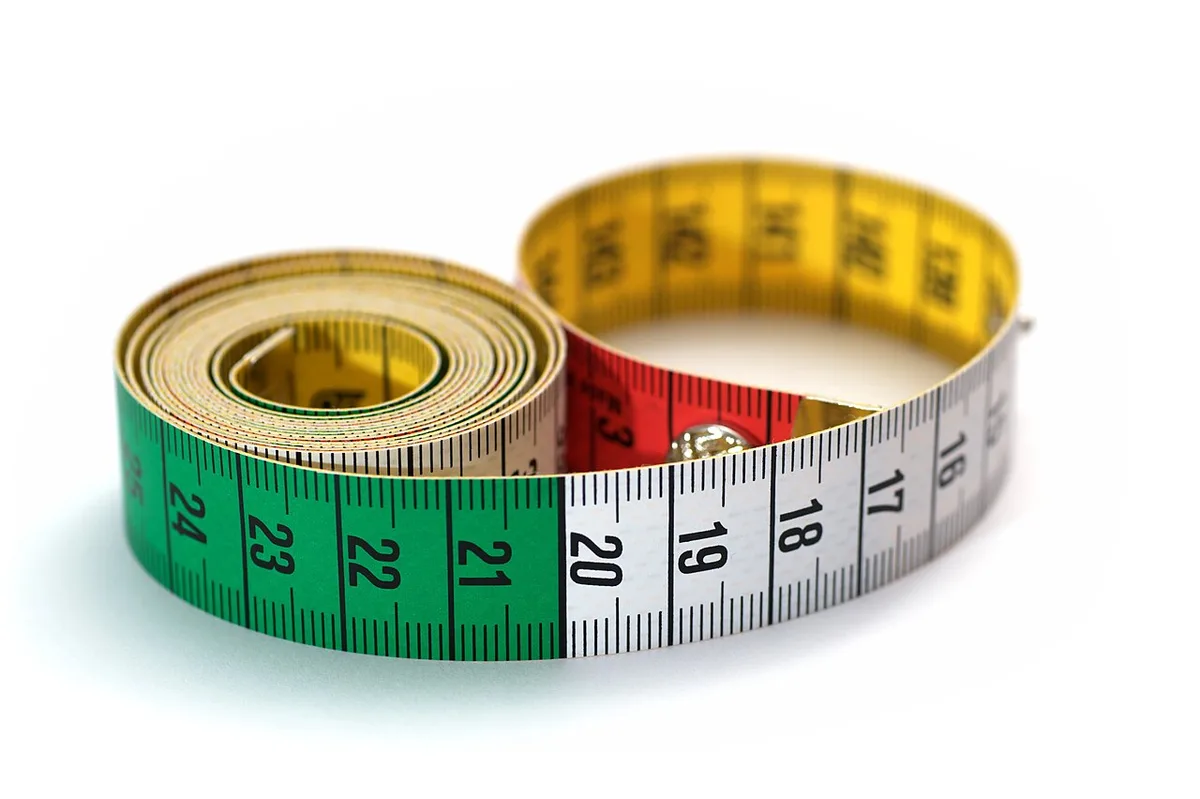
Image source: Wikimedia Commons / Simon A. Eugster (CC BY-SA)
For wall-mounted shelves, note the wall material. Drywall takes adhesive strips well. Textured plaster, tile, and some paints don't.
Humidity also matters. Bathroom walls can weaken adhesive bonds over time. Manufacturer specs usually list a temperature and humidity range, so check before committing.
A simple tracking sheet helps. Write down the zone, the dimensions, and the weight of items you plan to store. Then match that against the product's listed capacity.
Most adhesive hooks handle 1 to 5 pounds. Tension rods vary wildly, from 10 pounds for lightweight fabric to 20-plus for sturdier setups.
The visual trick: sketch a rough floor plan or take a photo with the tape measure in frame. That way, when you scroll through listings, you can mentally place each product into the photo. If it looks crowded or leaves wasted space, keep looking.
Remember, the goal isn't to fill every inch. It's to make the existing inches work harder. A 30-minute measuring session saves you from ordering the wrong item twice.
The Best Amazon Organization Hacks by Room
Now let's get practical. Room by room, here are the hacks with the best track record.
Small kitchen
The kitchen is the hardest-working room in a small home. Lazy Susans tame dark corner cabinets. Tension rods standing vertically inside cabinets hold baking sheets upright.
A magnetic strip on the wall or inside a cabinet door keeps spice jars visible. Over the sink, a two-tier dish rack buys back counter space. Under the sink, a pocket organizer on the inside of the cabinet door stores sponges and brushes.
Tiny bathroom
The back of the door earns its keep. Over-door hooks hold towels and robes. A tension rod above the toilet adds shelf space without drilling.
Clear stackable drawers under the sink put everything at eye level. A small magnetic strip on the wall holds tweezers, scissors, and bobby pins.
Closet or bedroom
Under-bed clearance is prime real estate. Vacuum-seal bags squish bulky winter bedding down to about 50% of its original size. Clear bins stack so you can spot what's inside at a glance.
A tension rod across the closet adds a second layer for scarves and ties.
Entryway or home office
Slim rolling carts slide between the desk and the wall. Command hooks by the door catch keys and bags immediately. Cable clips under the desk keep cords visible and untangled.
| Room | Go-To Hack | Visual Cue |
|---|---|---|
| Kitchen | Lazy Susan | Spices rotate to the front |
| Bathroom | Over-door hooks | Towels hang at eye level |
| Bedroom | Vacuum-seal bags | Bulk flattens into squares |
| Entryway | Command hooks | Keys visible at the door |
One rule stays constant. Measure first. Buy second.
Reposition if it doesn't work.
Common Visual Mistakes That Make Small Spaces Worse
Even with the right intentions, small-space storage can go sideways. Most mistakes come down to visual clutter or physical failure.
Stacking bins that hide more piles. Clear bins are popular because they show what's inside. Fabric bins, though, are the ones people overbuy. They look neat in listing photos.
In real life, they become black holes. If you use fabric bins, limit them to one category each and label every single one.
Ignoring weight limits. Adhesive hooks fail most often in bathrooms and kitchens. Humidity loosens the adhesive. Rough or textured walls never fully bond.
Manufacturer specs list weight limits around 1 to 5 pounds for standard Command strips. Exceeding that, especially on a swinging door, means falling items and damaged paint.
Buying by photo, not by measurement. Product photos show a shelf in a spacious loft. Your apartment is different. The 5-inch gap beside the fridge was never in the picture.
Always compare the product listing's dimensions against your own measurements.
Overcrowding shelves. A shelf can hold 20 pounds, but that doesn't mean it should. When everything sits inches from one another, your eye reads chaos. Leave breathing room.
The visual payoff matters as much as storage.
Forgetting vertical zones. Most people organize at eye level and below. The space above cabinets, high closet shelves, and door tops often gets skipped. Use step stools and high-mounted hooks to claim that territory.
A note on safety. Tall shelf units and bookcases can tip if not anchored. The U.S. Consumer Product Safety Commission has long warned about furniture tip-overs in small rooms.
Never block electrical panels or fuse boxes with stored items. The National Fire Protection Association recommends keeping those areas clear for quick access. If you bring in a tall storage tower, secure it to a stud.
Renter-friendly earthquake straps work well.
Pro Tips for Making Your Storage Last
Organization isn't a one-time event. It's a maintenance habit. These tweaks keep your system working months after setup.
Give adhesives time to bond. Most adhesive strips reach full strength within 30 to 60 minutes. Some manufacturers recommend waiting a full 24 hours before hanging anything heavy. Wipe the wall with rubbing alcohol first, let it dry, then press the strip firmly.
Rotate seasonal storage. Swap winter sweaters and summer clothes with labeled under-bed bins. When the season changes, slide the old bin to the back and pull the current one forward. No unpacking required.
Check tension rods on a schedule. They loosen over time, especially in high-humidity rooms. A quick monthly twist keeps them secure. If a rod slips, clean both ends and adjust once more.
Replace it if the ends show wear or an anti-slip coating breaks down.
Weigh everything mentally. Before you place items on a new shelf, do a rough weight check. A stack of glass jars is heavier than it looks. Books in a fabric bin can exceed 30 pounds fast.
If a shelf starts to sag, redistribute the load immediately.
Keep labels visible. A cheap label maker or masking tape and marker saves you from rummaging. Labels work best at eye level, facing outward.
Protect your walls. When removing adhesive strips, stretch them downward slowly along the wall, parallel to the surface. That's the technique that avoids pulled paint and marks.
Do a monthly reset. Small spaces accumulate clutter quickly. Spend 15 minutes at the end of each month returning misplaced items to their designated spots. This small habit prevents the weekend-long reorganizing session that most people avoid.
It keeps the system alive.
The longer your setup lasts, the less you need to rebuy. That's how small-space storage becomes sustainable. A few minutes of upkeep today saves you an afternoon of reorganizing next month.
Frequently Asked Questions
Do I need to measure before buying organization products?
Yes, every time. Manufacturer specs list dimensions for a reason. A 12-inch shelf won't fit a 10-inch gap.
In our research, the most common failed purchase was an under-bed bin with 7 inches of height under a 6-inch bed frame. Measure height, width, and depth first.
Are command hooks safe for apartment walls?
They can be, if you follow the instructions. Clean the wall with rubbing alcohol, let it dry, and press the strip firmly for 30 seconds. Wait a full hour before hanging anything.
Removal is just as important. Stretch the strip downward slowly to avoid pulling paint.
How do I store under my bed when the gap is tiny?
Low-profile bins are the answer. Look for options under 6 inches tall. If the gap is smaller than that, try a bed riser.
A 3-inch riser lifts the frame enough for standard bins. Vacuum-seal bags work best for bedding and off-season clothes.
What's worth spending money on?
Tension rods and clear acrylic bins offer the most value. They're versatile, move easily, and work in multiple rooms. Cheap plastic organizers crack, especially in cold weather.
Skip the $5 knock-offs and invest a bit more in ones with metal or thick acrylic construction.
Can tension rods hold heavy items?
Most manufacturer specs list limits between 10 and 20 pounds. That's fine for scarves and towels, not for heavy winter coats. For heavier loads, use a closet rod that screws into studs.
If you push a tension rod past its weight limit, it will slip and fall.