
Maybe your walls are covered in nicks and nail holes. Maybe you're renting and want everything reversible. Either way, command hooks organization ideas feel like the easiest answer.
They really can be, but only if you match the hook to the job and prep the surface right.
Manufacturer specs indicate that most Command hooks hold between 1 and 7.5 pounds. As of 2026, the full line includes clear hooks, metal hooks, outdoor hooks, and ceiling hooks. The stretch-release adhesive makes clean removal possible.
The trick is understanding how it works before you start.
Quick Answer
The best command hooks organization ideas use the right hook size for the item. Match the weight rating to what you hang. Clean the wall with rubbing alcohol.
Press firmly for 30 seconds. Wait one hour before loading. Remove with a downward pull on the strip.
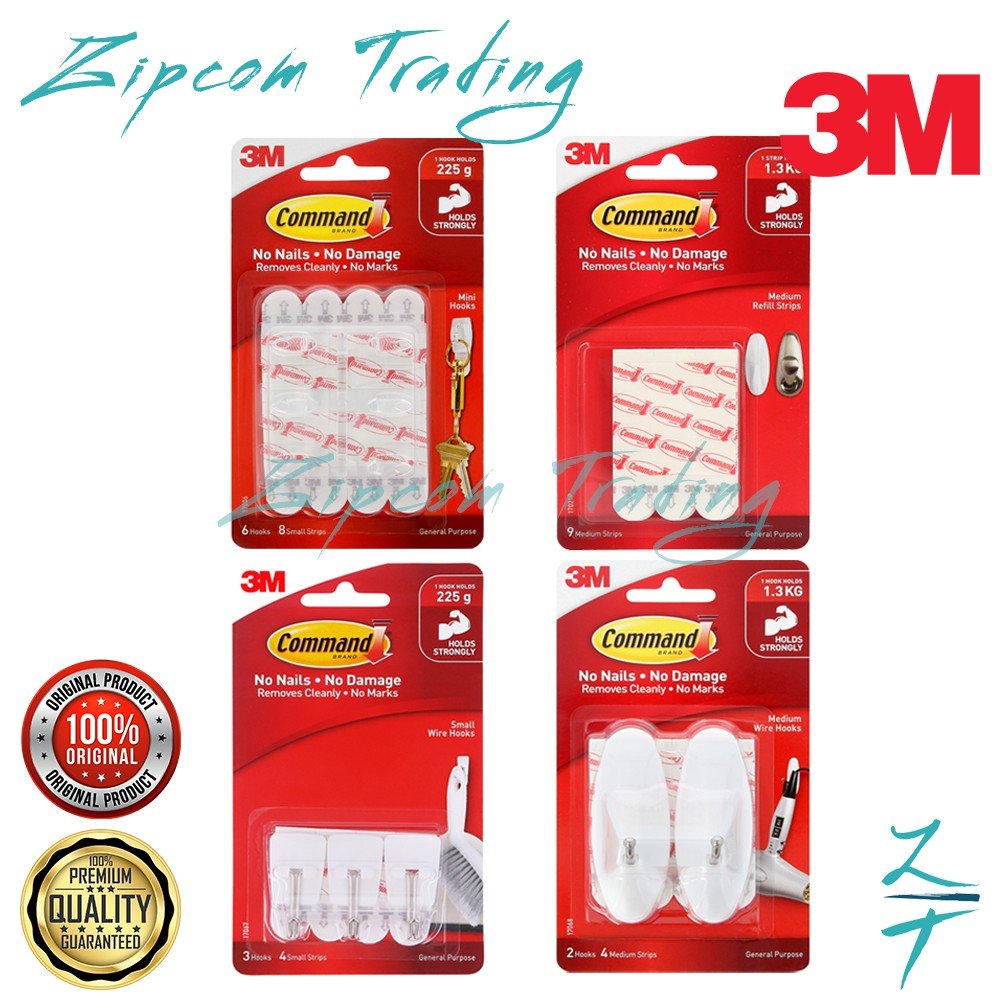
Image source: Web (Bing) / shopee.sg (Web image (fair-use with source credit))
Why Command Hooks Belong on Every Wall (and Where They Don't)
Command hooks solve a specific problem: they give you storage without the damage. Renters use them to hang coats, towels, and command strips for mail. Homeowners use them to keep closets and cabinets tidy.
Aggregate reviews show that clean removal is the biggest reason people choose them over nails.
But they aren't magic. The adhesive needs a smooth, clean surface. Painted drywall, tile, glass, finished wood, and metal all work well.
Textured wallpaper, brick, and popcorn walls don't. The bond simply can't grip enough surface area. If you're renting, always remove them by pulling the release tab straight down.
Pulling outward can tear paint.
The value goes beyond no holes. Command hooks let you reorganize without committing. Move a hook, swap it, or change rooms.
That flexibility makes them a staple for dorm rooms, apartments, and family entryways. The real skill is knowing where they excel and where they'll fail.
What to Know Before You Start: Weight Limits, Surfaces, and Setup
First, read the packaging. Every Command hook has a weight limit printed on the box. Don't guess.
The mini hooks hold about 1 pound. Large hooks hold up to 5 pounds. Jumbo hooks reach 7.5 pounds.
Hanging a heavy coat on a mini hook is a recipe for failure.
Here's a quick reference:
| Hook size | Weight capacity | Best use |
|---|---|---|
| Mini | 1 lb | Keys, thin scarves, jewelry |
| Small | 2.25 lb | Handbags, bath towels, pet leashes |
| Medium | 3 lb | Umbrellas, robes, hats |
| Large | 5 lb | Coats, backpacks, tote bags |
| Jumbo | 7.5 lb | Heavy jackets, tool belts, storage caddies |
The manufacturer's official website documents surface compatibility and weight limits for every hook. Use it to confirm before you stick anything.
Setup matters more than people think. Clean the surface with rubbing alcohol. Let it dry completely.
Peel the liner, press the hook firmly for 30 seconds, then wait one full hour before hanging items. Skipping any step makes the bond weaker.

Image source: Web (Bing) / amazon.co.uk (Web image (fair-use with source credit))
The wait time feels annoying. It's also the difference between a hook that stays and one that drops.
16 Clever Command Hook Organization Ideas for Every Room
You can use Command hooks for more than coats. Here are proven spots organized by room.
Entryway
- Hang keys and mail by the door.
- Create a backpack row at kid height.
- Hold umbrellas and reusable shopping bags.
Bathroom
- Keep bathrobes behind the door.
- Hold towels on the side of the vanity.
- Hang loofahs, razors, and shower brushes inside the shower.
- Mount a caddy on the wall for shampoo.
Kitchen
- Hang mugs under cabinets.
- Hold dish towels on the cabinet door.
- Keep measuring spoons near the prep area.
- Corral produce bags and recycling bags.
Bedroom & Closet
- Organize belts, scarves, and necklaces.
- Hang a tote bag on a clear hook inside the wardrobe.
- Hold a laundry bag on the back of the door.
Office & Craft
- Tame cables and cable drops at your desk.
- Hang scissors, rulers, and washi tape near your craft station.
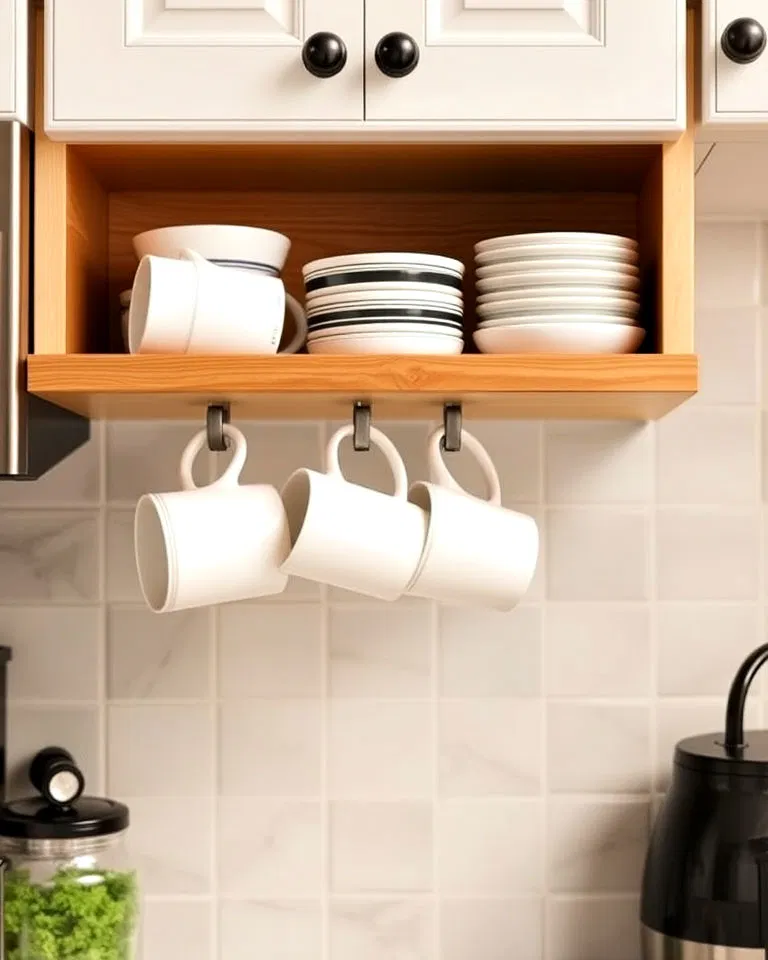
Image source: Bing (Web (fair-use with source credit))
The best part? You can move them whenever your layout changes. That's what makes these spaces feel organized without long-term commitment.
How to Arrange Hooks So Your Wall Doesn’t Look Like a Cluttered Mess
One hook looks fine. Ten hooks can look chaotic unless you follow a pattern. The trick is treating the wall like a grid.
Start with symmetry. Space hooks evenly and keep the same height. Use a tape measure or a level to avoid the crooked look.
If you're hanging two rows, stagger them so the bottom row sits between the top hooks. That visual rhythm feels intentional.
Think about widths too. A row of five hooks works when the spacing matches the items. If backpacks and coats are different sizes, leave extra room between hooks.
Crowded items blend into a pile.

Image source: Web (Bing) / mbspbs.com (Web image (fair-use with source credit))
Group similar items together. Put all kids' coats on one side and adult coats on the other. Add labels if the wall is inside a mudroom.
Clear hooks disappear visually, so they're best for clutter-free looks. Decorative hooks work when you want the hardware to show.
A quick planning step helps. Arrange the hooks on the floor or a table first. Measure the spacing, mark it with painter's tape, then stick.
This prevents the most common mistake: re-sticking the same hook and weakening the adhesive.
Command Hook Mistakes That Lead to Broken Hooks and Damaged Paint
Most Command hook fails come down to user error. Here are the mistakes to avoid.
Overloading the hook. Aggregate reviews report the most common failure is exceeding the weight limit. Check the package, not the hook's appearance. A jumbo hook looks similar to a medium one.
Skipping the surface prep. Grease, dust, and moisture kill the bond. Wipe with rubbing alcohol and dry it. This takes 20 seconds and changes everything.
Rushing the initial bond. Pressing for 5 seconds isn't enough. Give it 30 seconds, and wait an hour before hanging anything. For outside use, don't hang items during extreme heat or cold.
Ignoring the removal method. Always pull the tab downward along the wall. Pulling the hook toward you tears paint. If the strip snaps, gently heat the area with a hair dryer and roll off the adhesive.
Wrong surface. Textured wallpaper, brick, unsealed wood, and flexible plastic are not compatible. Manufacturer guidelines also say to avoid installing near heat sources. The adhesive softens and releases.
One more warning. Don't hang anything breakable over a bed or crib with an undersized hook. The adhesive will likely hold.
The cost of being wrong is too high.
How to Remove and Reuse Command Hooks the Right Way
Removal is where Command hooks earn their reputation. The key is the release tab. Pull it straight down, parallel to the wall.
The adhesive stretches and releases without damaging the surface.
Never yank the hook toward you. That's the fastest way to tear paint or pull off drywall paper. Go slowly.
The strip should stretch like taffy. If it's stubborn, a little heat from a hair dryer softens the adhesive. Then roll it off gently with your thumb.
If the strip tears off and leaves residue, don't panic. Rub the leftover adhesive with your finger. The small balls of glue roll right off.
Mineral spirits can remove tougher marks, but test the wall paint in an inconspicuous spot first.
Reusing hooks is simple. Pull the old strip off, throw it away, and attach a replacement strip. You can buy these refills separately.
They're rated to match the hook size, so match the strip to the original hook's weight capacity.
Command Hook Questions, Answered
Do Command hooks damage walls?
No, not when used correctly. The stretch-release technology is designed for clean removal. The risk comes from skipping the wait time, overloading the hook, or pulling the hook outward.
On smooth painted drywall, tile, and glass, removal should leave the surface exactly as you found it.
How much weight can a Command hook hold?
It depends entirely on the hook size. The minis hold about 1 pound. The large hooks hold up to 5 pounds.
Jumbo hooks reach 7.5 pounds. Always check the package before hanging anything. Manufacturer weight ratings are the final word on what's safe.
Can I use Command hooks in the shower?
You can in some cases. Look for hooks labeled as moisture-resistant, and avoid placing them where water sprays directly. Humidity can weaken the adhesive over time.
They work best for hanging loofahs and robes on the back of the shower door or a dry tiled wall.
Do Command hooks work outside?
Yes, but you need the outdoor-rated line. Those use a stronger adhesive that handles temperature swings, humidity, and direct weather. Check the package for the outdoor label.
Standard indoor hooks will start failing in the rain and sun within weeks.
The Bottom Line: Are Command Hooks Worth It?
Yes, for the right job. They are the smartest option for renters, dorm rooms, and anyone who hates drilling holes. They're also great for temporary setups, seasonal decor, and keeping everyday items within reach.
When you need storage without commitment, nothing else comes close.
For permanent heavy-duty mounting, choose screws and studs instead. A shelf full of books should never sit on adhesive. But for coats, towels, keys, and mugs, Command hooks handle the job reliably.
Aggregate reviews confirm they hold up for years when installed properly.
The formula never changes. Match the hook to the weight. Clean the surface.
Press firmly for 30 seconds. Wait one hour. Pull the tab straight down when it's time to move on.
Follow those rules, and your walls stay clean, organized, and completely damage-free.