
Food storage can feel like one of those chores you never quite get right. You toss leftovers into the fridge, hope they last, and occasionally gasp at the science experiment growing in the back. But it doesn’t have to be that way.
Getting food storage right saves you money, protects your family, and cuts down on waste. Per the USDA Food Safety and Inspection Service, keeping your fridge at or below 40°F stops most harmful bacteria from multiplying. Stick around, and I’ll walk you through the exact steps, temperatures, and habits that work in real kitchens.
Why Safe Food Storage Matters More Than You Think
Most people don’t realize how much spoiled food costs them each year. Aggregate reviews and household surveys consistently show the average family throws away hundreds of dollars worth of groceries annually. That’s not just bad for your budget, it’s bad for the planet.
Beyond the money, there’s a real health angle. The CDC estimates that roughly one in six Americans gets sick from foodborne illness every year. Some of those cases come from improper storage at home.
The risk hits harder for young kids, pregnant women, older adults, and anyone with a weakened immune system.
What looks like a harmless spot of mold or a slightly off smell can hide dangerous bacteria. Listeria, Salmonella, and E. coli don’t always change how food looks. So, knowing how to store things properly isn’t about being a neat freak.
It’s about keeping your household safe.
When you understand the rules, you stop guessing. You stop relying on your nose alone. You learn to trust the clock and the thermometer, which never lie.
The Golden Rules: Temperature, Time, and the Danger Zone
If you remember only one thing from this article, let it be this. Bacteria grow fastest between 40°F and 140°F. That range is called the danger zone, and food shouldn’t sit in it for more than two hours total.
Your refrigerator should stay at or below 40°F. Your freezer needs to hit 0°F or lower. Those aren’t nice-to-have numbers, they’re safety thresholds.
As of 2026, the FDA still recommends those exact temperatures, and they haven’t changed in decades.
Don’t trust the dial on your fridge. Most built-in thermostats are inaccurate, especially if you load the shelves unevenly. Grab a simple appliance thermometer and place it in the center.
Check it every few days, especially after you stuff the fridge full of groceries.
Time matters just as much. Perishable items like raw meat, poultry, eggs, and cut produce should not linger on the counter. The two-hour rule applies universally.
If the room is hotter than 90°F, shrink that window to one hour.
When you know the limits, you can plan your grocery runs and leftovers without stress. The thermometer is your best friend, and the clock runs second.
How to Store Food the Right Way: Fridge, Freezer, and Pantry
Storing food correctly means putting each type of food in its ideal environment. Not every food belongs in the same spot. This is where most kitchens go wrong.
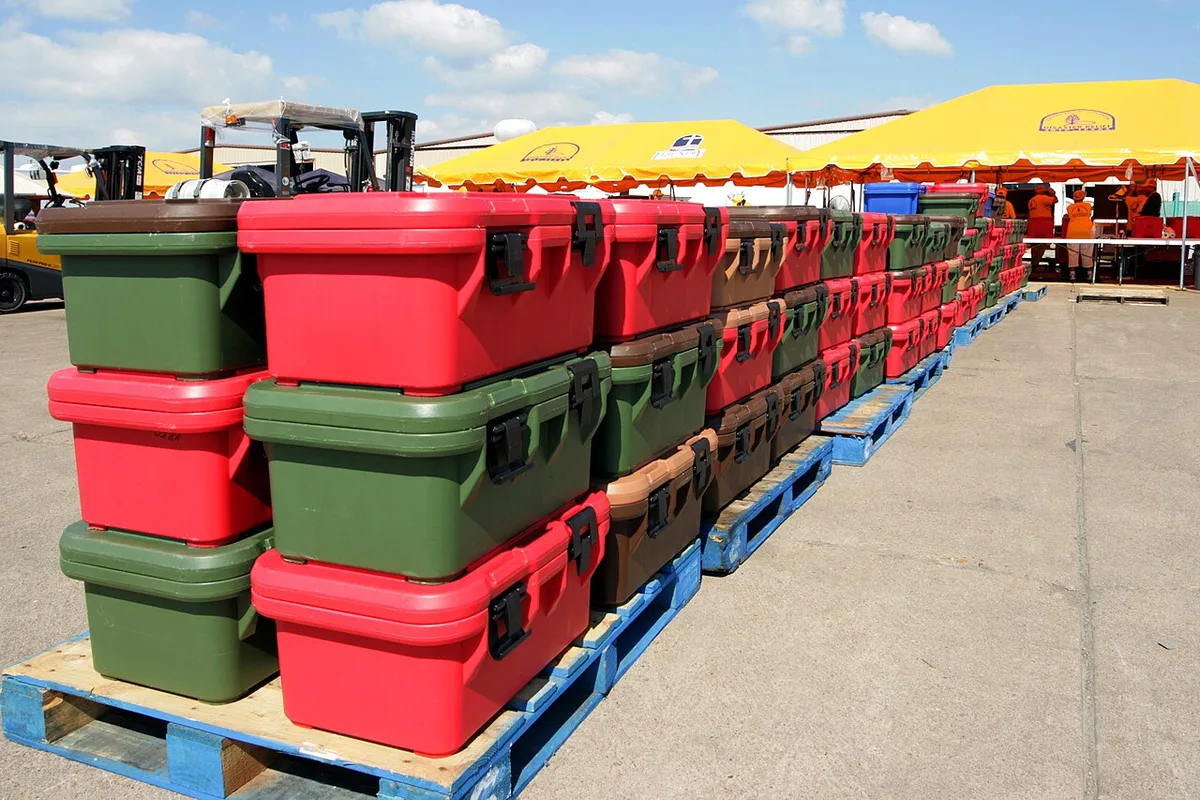
Image source: Wikimedia Commons / Greg Henshall
Fridge zones: where raw meats, dairy, produce, and leftovers belong
The fridge isn’t one big cold box. Different shelves have different temperatures. The coldest shelf is always the bottom one, so that’s where raw meats go.
This also prevents drips from contaminating other foods below.
Dairy and eggs sit comfortably on the upper shelves, where the temperature stays steadier. Produce likes the crisper drawers with higher humidity. But remember, apples and tomatoes give off ethylene gas, which can ripen and spoil nearby vegetables faster.
Keep those separate.
Freezer basics: portioning, labeling, and preventing freezer burn
Freezer burn is what happens when air reaches your food’s surface. It turns meat gray and leathery. Proper wrapping prevents that entirely.
Use freezer-safe bags, vacuum sealers, or heavy-duty foil, and squeeze out as much air as possible.
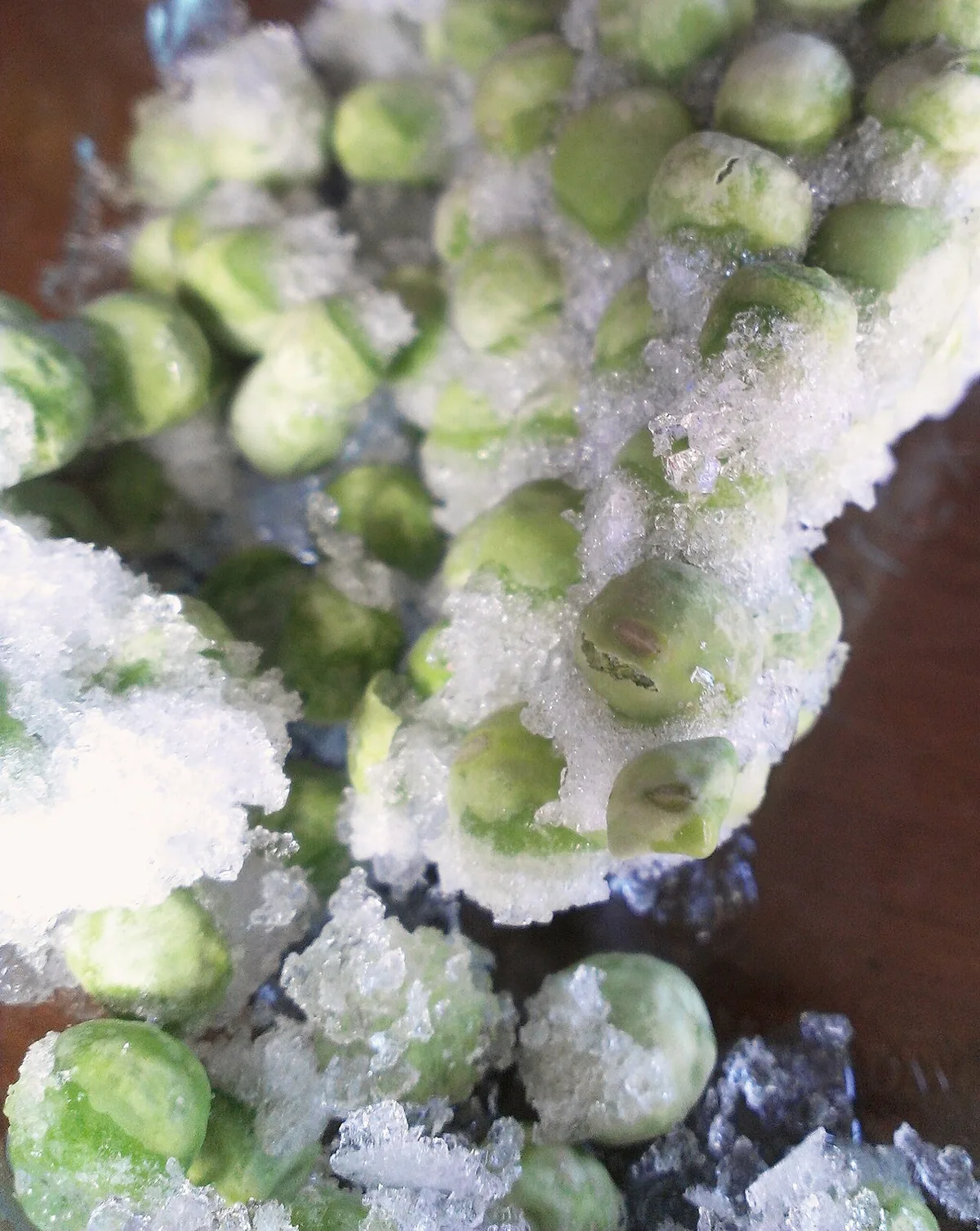
Image source: Wikimedia Commons / User:Ragesoss (CC BY-SA)
Label everything with the food name and the date you froze it. The same item frozen in October might get forgotten by March. A permanent marker and masking tape cost pennies and save entire meals.
Pantry and dry storage: airtight containers, pest control, and FIFO rotation
For rice, pasta, flour, and cereals, your worst enemies are moisture, light, and pantry moths. Transfer these staples to airtight glass or food-grade plastic containers. Mylar bags with oxygen absorbers extend shelf life even further.
Follow FIFO, first in, first out. When you buy new beans or canned goods, move the older ones to the front. Glass vs. plastic comes down to preference.
Glass doesn’t absorb smells. Plastic is lighter and shatterproof. Either works as long as the seal is tight.
The Most Common Food Storage Mistakes (and How to Stop Making Them)
Everyone makes these mistakes. The good news is that each one has a simple fix.
- Thawing meat on the counter. The surface hits the danger zone while the inside stays frozen. Thaw in the fridge, in cold water, or in the microwave.
- Refreezing thawed meat. Once meat has thawed completely, refreezing invites bacteria growth. Unless you thawed it in the fridge and it stayed below 40°F, toss it.
- Overpacking the fridge. Blocked air vents create warm spots. Cold air needs room to circulate.
- Storing potatoes and onions together. They make each other spoil faster. Keep them apart, in a cool, dark, dry place.
- Putting tomatoes in the fridge. It kills their flavor. Keep them on the counter unless they’re fully ripe and you need them to last longer.
- Never labeling leftovers. You end up with a mystery container and no idea if it's safe. Always label with the date.
- Waiting too long to cool cooked food. The two-hour rule applies to cooling as well. Get it in the fridge quickly.
Leftovers 101: Cooling, Storing, Thawing, and Reheating Safely
Leftovers are a gift to your future self, but only if you handle them right. Start by cooling them quickly. Split large batches into shallow containers so the heat escapes fast.
Then refrigerate within two hours of cooking.
In the fridge, cooked leftovers stay safe for three to four days. If you won’t eat them by then, freeze them. Frozen leftovers keep their quality for about two to three months before textures begin to suffer.
Thawing happens in three safe ways. The refrigerator method is best because it keeps a steady, safe temperature. Cold water works faster, but require you to change the water every thirty minutes.
The microwave methods are quick, but you must reheat the food immediately after.
Reheating should bring the center of the food to 165°F. Check with an instant-read thermometer. Sauces should bubble, casseroles should steam, and meat should show no pink.
One last tip: never taste a leftover to see if it’s still good. Taste buds can’t detect all the dangerous bacteria anyway. When in doubt, throw it out.
A few pennies lost is better than a night of misery.
Expiration Dates, Spoilage Signs, and When to Toss It
"Best By," "Sell By," "Use By." Those little labels confuse everyone. Here's the breakdown.
"Sell By" tells stores when to rotate stock. It's not a safety date for you. "Best By" is about quality, not safety.
Food past that date may taste stale, but it's rarely dangerous. "Use By" is the strictest one, especially for baby formula. Treat it like a hard deadline.
Eggs are a great example. They stay safe for 3 to 5 weeks past the pack date, even if that date passes. Just crack them into a bowl first and give them a sniff.
Your senses help, but they have limits. Mold, off smells, slime, and discoloration all reveal spoilage. But dangerous bacteria like Listeria or E. coli don't change how food looks or smells.
That's why the timeline matters more than your nose.
Canned goods last surprisingly long. High-acid foods like tomatoes and pineapple hold for 12 to 18 months. Low-acid foods like meat and vegetables stay safe for 2 to 5 years.
If a can bulges, leaks, or hisses violently when opened, throw it out without tasting.
Dry staples follow their own clock. White rice stays good for years if sealed. Brown rice turns rancid in about 6 months because of its oil content.
Flour lasts 3 to 6 months in the pantry, or up to a year in the freezer.
Spoiled food can cause anything from mild stomach upset to serious illness. Most healthy adults recover with rest and fluids. But if vomiting, diarrhea, or fever last more than a couple days, call your doctor.
Letting a bad can win is not worth your health.
Food Storage FAQs
Is it safe to eat leftovers after five days?
No. The USDA recommends eating cooked leftovers within 3 to 4 days. The five day mark is pushing into risky territory, even if the food smells fine.
Bacteria grow slowly in the fridge, but they still grow. Your nose can't detect them, and you don't want to be the test case.
Can I refreeze meat after thawing it?
Only if it thawed in the refrigerator and stayed below 40°F. The texture suffers, but it's safe. If you thawed it in cold water or the microwave, cook it first.
Don't refreeze raw meat thawed that way.
How long does raw chicken last in the fridge?
One to two days. Raw chicken sits in the danger zone the moment it leaves the store. If you can't cook it within two days, freeze it immediately.
The same rule applies to ground meat and turkey. Mark the date on the package when you buy it.
Is a little mold on cheese safe to cut off?
For hard cheeses like cheddar or Parmesan, yes. Cut at least one inch around the moldy spot. Do not let the knife touch the mold.
For soft cheeses like cream cheese or mozzarella, throw the whole thing away. The mold has likely spread deep inside.
Does putting warm food directly in the fridge damage it?
No, and it's safer than waiting for it to cool on the counter. Spreading hot food into shallow containers helps it cool faster. The fridge can handle the extra heat.
Just don't stack warm containers tightly. Leave some space for airflow until they cool.
How do I know if my canned food has botulism risk?
Look for bulging lids, dents, leaks, or a foul smell when opened. If the liquid spurts out, that's a red flag. Botulism is rare but serious.
When in doubt, get rid of it. Never taste questionable canned food to check. One taste isn't worth the worst case.