
Small bathrooms get messy fast, especially when you can’t drill into tile, plaster, or rental walls. The best small bathroom storage ideas without drilling use vertical space, door backs, shower corners, cabinet interiors, and narrow floor gaps. The trick is matching the storage to the surface, not just buying another basket.
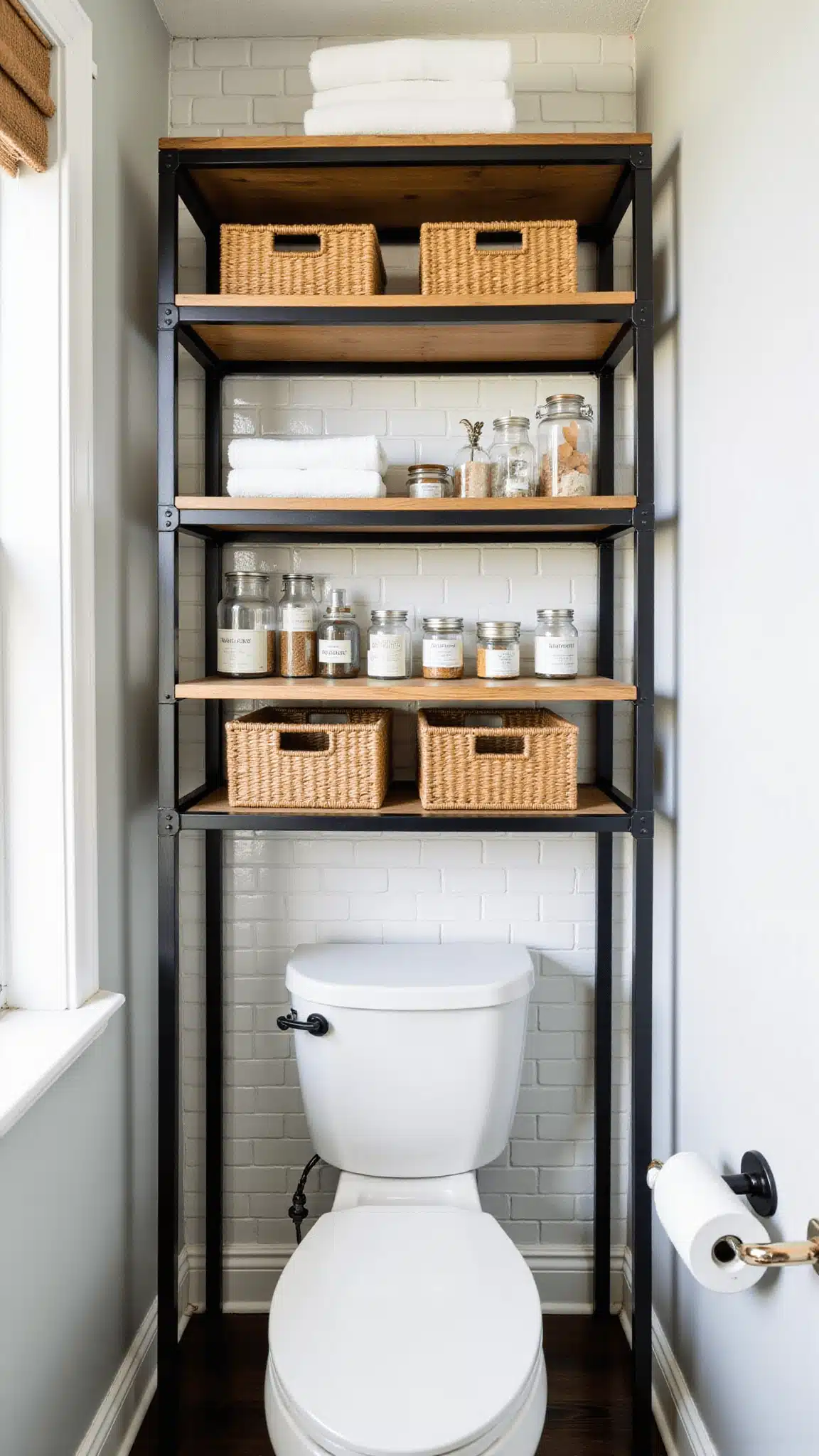
Image source: Web (Bing) / roomcrafty.com (Web image (fair-use with source credit))
Manufacturer specifications indicate many removable bathroom adhesive products need about 24 hours to cure before loading, including official guidance from 3M Command. That one detail explains a lot of failed shelves. Let’s start with the quick answer, then map the room visually.
Quick Answer
Small bathroom storage ideas without drilling work best in unused vertical zones. Use adhesive shelves on smooth tile or glass. Use tension caddies inside showers.
Use over-door storage for towels and toiletries. Keep heavy items low and dry.
Quick answer: the best no-drill storage spots in a small bathroom
The best no-drill storage spot is usually the one you already walk past daily. In a small bathroom, that means the back of the door, the wall above the toilet, the cabinet door, the shower corner, or the narrow gap beside the vanity.
Think in zones:
| Storage zone | Best no-drill idea | Best for |
|---|---|---|
| Back of door | Over-door rack or fabric organizer | Towels, hair tools, spare toiletries |
| Shower corner | Tension pole caddy or suction shelf | Shampoo, soap, razors |
| Above toilet | Freestanding ladder shelf | Toilet paper, towels, baskets |
| Under sink | Stackable bins or sliding drawers | Cleaning supplies, backups |
| Countertop | Tray or tiered organizer | Daily skincare, toothbrushes |
A no-drill bathroom storage system is any storage that installs without screws, anchors, nails, or tile drilling. It can be adhesive, suction-mounted, tension-fit, hanging, freestanding, or simply placed inside existing cabinets.
The real win is not adding more containers. It’s giving every item a better home.
If you use something daily, keep it at eye level or hand level. If it’s backup stock, move it higher, lower, or behind a door. That one shift clears the sink faster than most people expect.
Start with a visual scan: where storage can fit without crowding the room
Before buying anything, stand in the doorway and scan the bathroom like a floor plan. A photo would show the empty vertical strips first: above the toilet, behind the door, beside the sink, and above the towel rail.

Image source: Bing (Web (fair-use with source credit))
You’re looking for storage that doesn’t steal movement space. Small bathrooms fail when storage sticks out too far. A shelf that looks useful online can become a hip-bumper beside the toilet.
Use this simple scan:
- Open the bathroom door fully and check the swing path.
- Measure the gap beside the toilet, sink, or tub.
- Check whether cabinet doors can still open.
- Look for smooth tile, glass, or mirror for adhesive and suction.
- Separate wet zones from dry zones.
Wet zones include showers, tub surrounds, and splash-heavy sink areas. Dry zones include the back of the door, under-sink cabinets, and over-toilet shelves.
As of 2026, most no-drill storage choices still depend on surface type more than style. Smooth glazed tile usually works better than textured stone. Flat glass usually works better than painted walls.
Painted walls can peel during removal, especially in humid bathrooms.
A good layout should leave the floor easy to clean. If every new organizer touches the floor, the room feels smaller. Try to lift storage onto doors, shelves, cabinet interiors, or shower corners first.
Match the no-drill storage type to your bathroom surface and layout
No-drill storage only works when the mount matches the surface. Adhesive shelves, suction cup shelves, tension rods, over-door racks, and freestanding units all solve different problems.

Image source: Web (Bing) / rieglpalate.com (Web image (fair-use with source credit))
Use this quick matching guide:
| Bathroom condition | Better choice | Why it works |
|---|---|---|
| Smooth glazed tile | Adhesive shelf | Strong contact area |
| Glass shower wall | Suction or adhesive shelf | Smooth, non-porous surface |
| Textured tile | Tension pole caddy | Adhesive may not grip well |
| No vanity cabinet | Freestanding slim cart | Adds storage without wall mounting |
| Hollow bathroom door | Lightweight over-door organizer | No wall contact needed |
| Pedestal sink | Narrow floor shelf or skirted bins | Uses awkward open space |
Adhesive bathroom shelves suit smooth, clean surfaces. They’re great for light bottles, toothbrush holders, and small skincare items. Avoid placing them across grout lines because the uneven surface weakens contact.
Suction cup shower shelves are easy to move. They work best on glass or glossy tile. They often fail on matte, bumpy, or porous surfaces.
Tension pole caddies fit between the tub ledge and ceiling, or floor and ceiling. They’re useful when you have no reliable wall surface. Check the height range before buying.
Freestanding storage is the safest pick for uncertain surfaces. Slim carts, ladder shelves, and narrow cabinets don’t depend on adhesive at all. The trade-off is floor space.
Small bathroom storage ideas without drilling, by problem area
The easiest way to choose storage is to start with the mess, not the product. Look at what’s annoying you every morning, then pick the smallest fix that solves that exact issue.

Image source: Web (Bing) / amazon.com (Web image (fair-use with source credit))
No counter space
Use a small tray, tiered countertop organizer, or adhesive toothbrush holder. Keep only daily-use items on top. Move backups into a bin under the sink or above the toilet.
Clear acrylic organizers help when several people share one sink. You can see what’s inside without digging. They also stop small items from spreading across the whole counter.
No vanity or pedestal sink
Pedestal sinks waste the space below the basin. Use a narrow rolling cart, stackable bins, or a wraparound sink shelf if it fits cleanly.
Avoid deep baskets near the pedestal base. They collect dust and make mopping harder. If the bathroom is very tight, choose one tall narrow unit instead of several small containers.
Tiny shower with bottles everywhere
Use a tension pole shower caddy if the walls are textured. Use adhesive or suction corner shelves if the tile is smooth.
Keep heavy shampoo bottles on the lowest shelf. Put razors and soap higher so they can drain. Look for shower shelves with drainage holes or open wire bases.
No towel storage
Try over-door hooks, an over-cabinet towel bar, or a freestanding towel ladder. Hooks use less space than bars, but towels dry slower when bunched.
For damp bathrooms, spread towels out whenever possible. The EPA links moisture control with mold prevention, so airflow matters.
Shared bathroom clutter
Give each person one labeled bin or hanging pocket. This works better than one big shared basket. Nobody wants to hunt for toothpaste at 7 a.m.
Use clear bins for daily toiletries and opaque bins for backup products. That keeps the room calmer without hiding the things you use every day.
Common visual mistakes that make no-drill bathroom storage fail
Most no-drill storage mistakes are visible before anything falls. If a shelf crosses grout, tilts forward, blocks a door, or sits in a splash zone with no drainage, it’s already telling you there’s a problem.
Watch for these common visual red flags:
- Adhesive pads touching grout lines.
- Suction cups sitting on textured tile.
- Shelves loaded with tall, top-heavy bottles.
- Over-door hooks scraping the frame.
- A rolling cart blocking the toilet paper holder.
- Fabric pockets hanging inside a humid shower area.
- Tall freestanding shelves wobbling on uneven flooring.
Scale matters too. A deep shelf can make a small bathroom feel tighter, even if it technically fits. In narrow rooms, aim for shallow storage first.
Weight placement is another big one. Heavy items belong low, especially on carts, ladder shelves, and tension caddies. Light items can go higher.
Don’t cover every blank surface. Small bathrooms need breathing room. A few well-placed organizers usually look cleaner than six competing storage hacks.
Also check the door test. Open and close every door, drawer, cabinet, shower screen, and toilet lid after placing storage. If anything bumps, catches, or forces you to move sideways, choose a slimmer setup.
Safety, moisture, and renter-friendly rules to follow
No-drill doesn’t mean no-risk. Adhesive shelves, suction hooks, and freestanding units can still fall, tip, rust, or damage paint if they’re used in the wrong spot.
Follow the manufacturer’s weight limit, then stay below it. Bathroom products get heavy when several bottles collect on one shelf. A 500 ml shampoo bottle can weigh over 1 lb before you add conditioner, body wash, and shaving cream.
Use this simple rule:
| Item type | Best storage position | Why |
|---|---|---|
| Full bottles | Low shelf or floor-level caddy | Less damage if they fall |
| Glass jars | Dry cabinet or tray | Safer away from tile floors |
| Hair tools | Dry over-door or cabinet organizer | Keeps cords away from water |
| Cleaning sprays | Under-sink bin with child-safe access | Safer and easier to contain |
| Medications | Secure dry storage | Heat and humidity can be a problem |
Don’t hang heavy storage above the toilet, tub, or sink. If it fails, it can crack porcelain or glass. It can also land where bare feet usually are.
For renters, check your lease before using permanent-looking adhesive fixtures. Even “damage-free” products can pull paint from poorly prepared walls. Smooth tile and glass are usually safer than painted drywall.
Moisture matters too. Choose ventilated baskets in the shower. Avoid fabric pockets where water hits daily, since they can stay damp and smell musty.
Keep electrical items out of splash zones. Hair dryers, electric razors, and styling tools belong in dry storage only. If the cord has to cross the sink, the storage spot is wrong.
Easy maintenance tips so your no-drill storage keeps working
No-drill storage lasts longer when you treat it like part of the bathroom, not a one-time setup. Steam, soap film, hard water, and daily grabbing all weaken shelves over time.
Give adhesive and suction storage a quick check once a week. Press gently at the corners and look for lifting, sliding, or trapped moisture. If something moves, unload it before it drops.
Use this quick maintenance routine:
- Wipe shower shelves when you clean the tiles.
- Empty suction baskets before repositioning them.
- Dry the wall fully before reattaching suction cups.
- Keep adhesive shelves below their stated load rating.
- Remove rust spots early from metal caddies.
- Wash fabric organizers monthly if they’re near damp towels.
- Re-sort bins every few weeks so backups don’t pile up.
If an adhesive shelf starts peeling, don’t push it back and hope. Remove it carefully, clean the surface, and replace the adhesive pad if the manufacturer allows it. Old adhesive rarely performs like new adhesive.
If suction cups keep falling, check the surface first. Textured tile, grout lines, stone, and matte finishes are usually the issue. Move the shelf to glass or glossy tile, or switch to a tension caddy.
For slim rolling carts, clean the wheels. Hair and dust collect fast in bathrooms. A stuck wheel can scrape flooring or make the cart tip when pulled.
The easiest long-term fix is editing what you store. Keep daily items in the bathroom. Move bulk backups, travel bottles, and unopened products to a linen closet if you have one.
Frequently Asked Questions
What is the best no-drill storage for a very small bathroom?
The best option is usually vertical storage that doesn’t touch the walking path. Try an over-door organizer, over-the-toilet shelf, tension shower caddy, or under-sink bins. If the floor is tight, avoid wide carts and deep freestanding cabinets.
Shallow storage keeps the room easier to use.
Do adhesive bathroom shelves damage walls?
Adhesive bathroom shelves can damage painted walls, especially in humid rooms or older rentals. They usually perform better on smooth glazed tile, glass, or mirrors. Follow the removal instructions exactly.
If your deposit matters, avoid using adhesive on painted drywall unless the manufacturer approves that surface.
Are suction cup shelves strong enough for shampoo bottles?
Suction cup shelves can hold shampoo bottles if the surface is smooth, clean, and non-porous. Glossy tile and glass work best. Textured tile and grout lines usually fail.
Keep heavy bottles low, check the cups often, and don’t exceed the stated weight rating.
How do you add storage to a bathroom with a pedestal sink?
Use narrow floor storage, stackable bins, or a slim rolling cart beside the pedestal. A small tray on the sink can hold daily items if the basin has space. Avoid bulky baskets at the base.
They make the room harder to clean and can look cluttered fast.
What should you avoid storing in a damp bathroom?
Avoid storing extra medication, paper products, electronics, and fabric items where steam collects. Heat and humidity can affect some products. Keep hair tools in a dry organizer, store medications securely, and use ventilated shower storage for wet items like soap, razors, and shampoo.