
You don't need a bigger house. You need more working walls. Vertical storage hacks are exactly what they sound like: clever ways to turn unused walls, ceiling space, and the backs of doors into real, usable storage.
Most homes have plenty of room, it's just all sitting vertically instead of horizontally.
Think about the average wall. A standard 8-foot wall can hold three to four shelves, which can easily double your storage capacity without touching a square inch of floor. As of 2026, more homeowners are catching on to this.
The trick is knowing what to mount, where to mount it, and how to do it safely.
Quick Answer
Vertical storage hacks are practical ways to use walls, ceilings, and doors for storage. Mount shelves to studs. Use ceiling racks for bulky items.
Add over-door organizers for small things. Measure first, anchor correctly, and keep heavy items low. Done right, you reclaim floor space without a remodel.
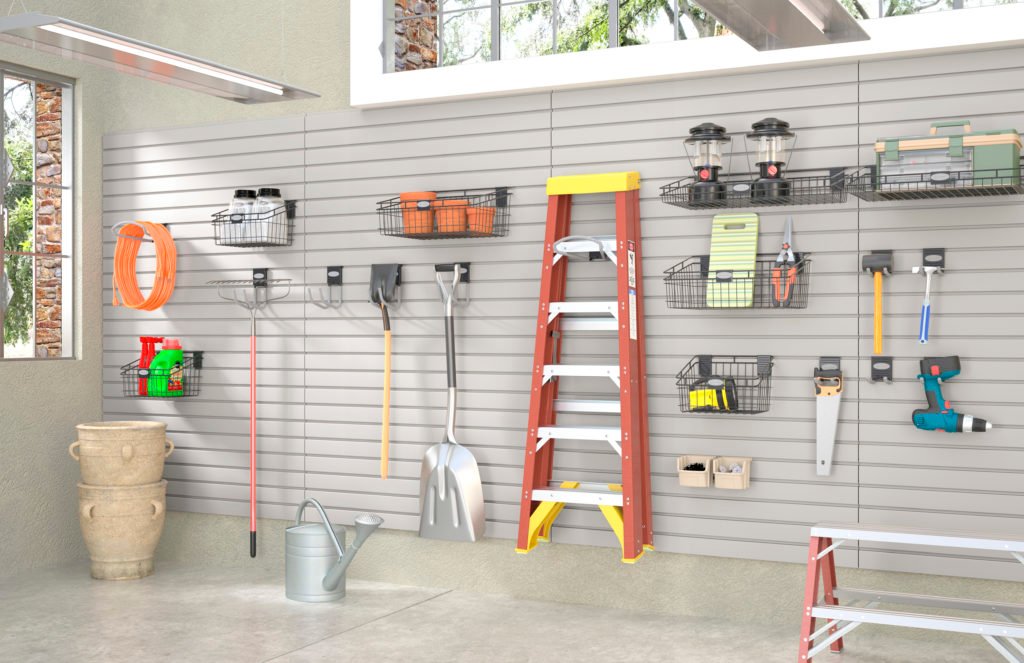
Image source: Web (Bing) / garagesmart.com.au (Web image (fair-use with source credit))
The Real Problem: You Don't Have a Storage Shortage, You Have a Space Problem
Take a look around your garage or bedroom. Count the square feet of empty wall between the top of your shelves and the ceiling. You'll probably see more than you expected.
That gap is dead space, and it's exactly where most storage potential hides.
We think horizontally. We buy shelves, bins, and drawers, but we put them on the floor. When the floor fills up, we buy more bins.
The result is a room that feels smaller than it is, because the vertical plane, the walls above eye level, never gets used.
If your problem is boxes stacked on the floor, then vertical storage is the fix. If your problem is a closet rod that's too low, then adding a second rod above it gives you twice the hanging space. Use the height you already have.
What Vertical Storage Actually Means (And What It Doesn't)
Vertical storage is any system that stores items above the floor line. That includes wall-mounted shelving, ceiling-mounted racks, pegboards, slatwall, over-door organizers, tall cabinets, and hanging closet rods. It doesn't mean cramming everything to the ceiling.
It means putting things you use less often higher up and keeping daily items within reach.
The trick is matching the system to the stuff. You wouldn't store heavy tools on a pegboard alone, and you wouldn't hang bikes from an over-door hook. Match the storage method to the weight, frequency of use, and space you have.
| System | Best for | Watch out |
|---|---|---|
| Wall-mounted shelving | Books, pantry goods, decor | Anchor to studs for heavy loads |
| Ceiling-mounted racks | Bikes, seasonal bins | Use rated hardware and clear door tracks |
| Pegboard or slatwall | Tools, craft supplies | Heavy tools need a stud behind them |
| Over-door organizers | Shoes, small accessories | Check door clearance and keep them light |
| Tall freestanding shelves | Rentals, heavy loads | Anchor to the wall to prevent tipping |
Measure First: The 10-Minute Setup That Saves You Hours Later
Before you buy a single bracket, measure. You need five numbers: wall width, ceiling height, stud spacing, floor depth, and clearance for doors, vents, and outlets. These numbers decide which system will actually work.
| Measurement | Why it matters |
|---|---|
| Wall width | Tells you what shelf span you can fit |
| Ceiling height | Whether ceiling racks are even an option |
| Stud spacing | Determines where brackets can mount |
| Floor depth | Matches shelf depth to your bins |
| Obstacle clearance | Keeps doors, vents, and outlets usable |
If your studs are 16 inches apart, the math is easy: every other stud is 32 inches, and most brackets fit right in. If they're 24 inches apart, plan your shelf brackets around that rhythm. In our research, more failed storage projects come from skipping this step than from bad hardware.
Anchor It Right: Matching the Mount to the Wall and the Weight
Here's the honest truth: drywall alone doesn't hold much. A basic plastic anchor in drywall is fine for a small spice rack, not for a loaded shelf of canned goods. You need the right fastener for the wall type and the load.
- Drywall, no stud, use toggle bolts for 30 to 50 pounds per anchor. Anything heavier should hit a stud.
- Stud mounting, the gold standard. Screw into a wooden stud and you can support 75 pounds or more per bracket.
- Concrete or brick, use masonry anchors and the right drill bit for serious weight.
- Adhesive hooks, fine for 5 to 10 pounds, not for a towel bar full of heavy coats.
Per the U.S. Consumer Product Safety Commission, tall furniture and shelves should be anchored to the wall to prevent tipping. That's not a suggestion.
It's a safety practice for every home.
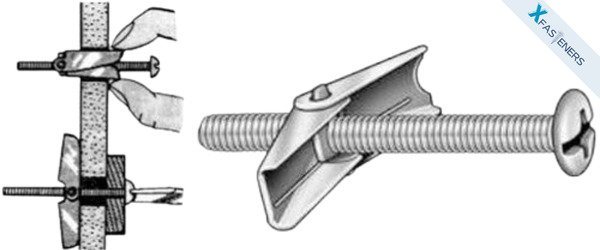
Image source: Bing (Web (fair-use with source credit))
Step-by-Step: How to Install a Wall-Mounted Shelving System from Start to Finish
A good installation comes down to patience and a level. What a diagram should show: every bracket aligned to a stud, with the level bubble centered. Here's the order that works.
- Mark your studs with painter's tape. Don't trust the guess method.
- Hold up your bracket or rail against the wall at the exact height. Use a level to draw a straight line.
- Pre-drill pilot holes. This prevents drywall and wood from splitting.
- Insert anchors if you aren't hitting a stud. Toggle bolts go through the hole, then tighten to cinch them.
- Mount the brackets or rails. Screw them down, but don't overtighten.
- Set the shelf on top, recheck the level, and start loading.
When you load the shelf, place the heaviest items nearest the brackets. That keeps the shelf from sagging in the middle. After it's loaded, pull forward at the top edge.
If it moves, your wall fix failed, and it needs a stud.

Image source: Web (Bing) / desertcart.in (Web image (fair-use with source credit))
Mistakes to Avoid: What I See People Get Wrong in Their Garages and Closets
Most vertical storage failures aren't caused by weak shelves. They're caused by mounting mistakes, bad measurements, or ignoring what's behind the wall.
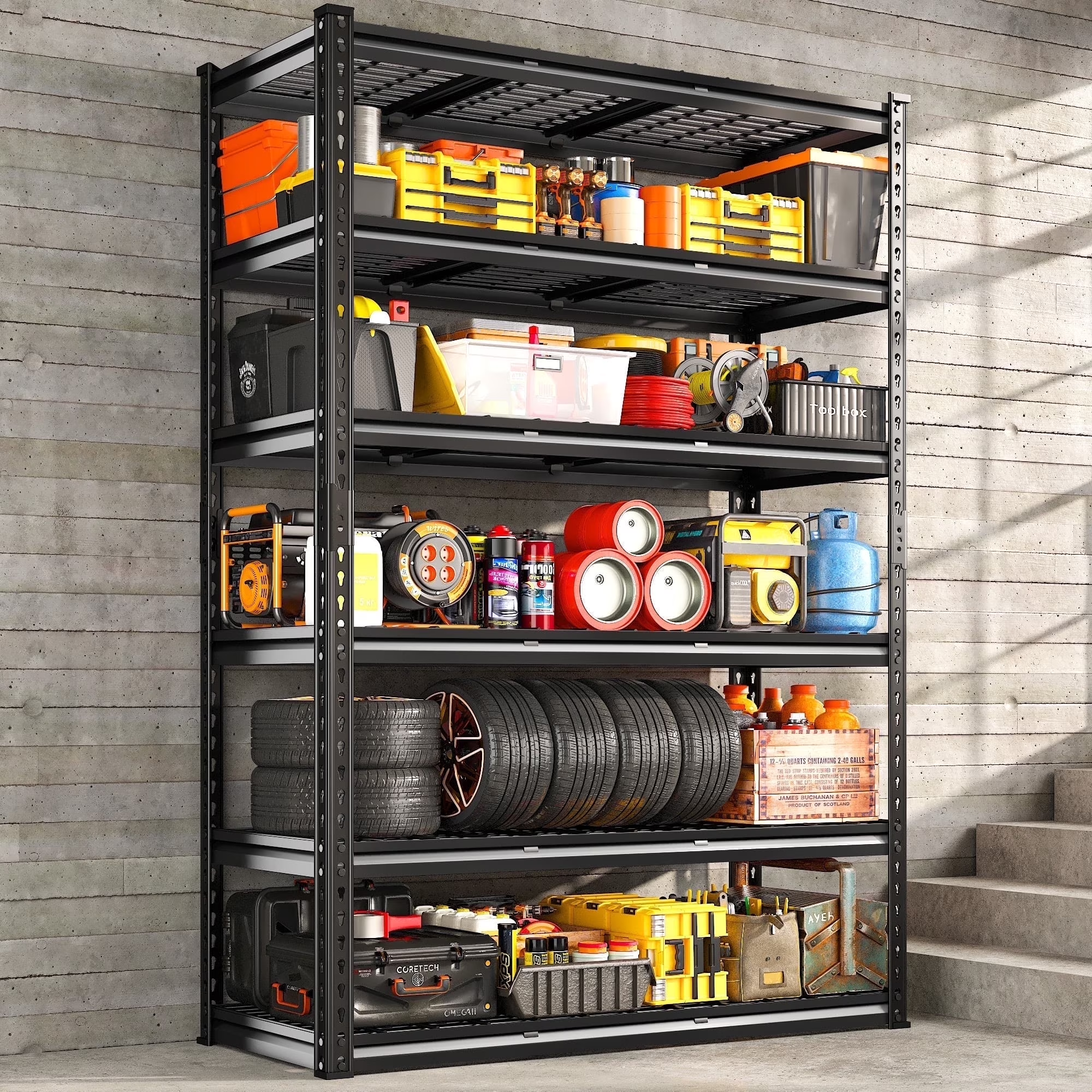
Image source: Bing (Web (fair-use with source credit))
- Mounting heavy storage into drywall alone. A loaded shelf needs a stud or heavy-duty toggle bolts.
- Ignoring what's behind the wall. Pipes, wiring, and ducts hide behind drywall. Hit a water line and the shelf becomes the least of your problems.
- Buying shelves before measuring the actual items. A 12-inch-deep shelf won't hold a 14-inch storage bin.
- Overloading wire shelves in the middle. Wire shelves sag in the center before they fail at the brackets.
- Placing frequently used items out of reach. You'll stop using the storage if it requires a ladder every day.
- Blocking vents, outlets, or light fixtures. That's a fire hazard and an everyday annoyance.
- Skipping removable solutions in rentals. Holes in the wall cost you your security deposit.
Per OSHA guidance, using a step ladder that's too short for the job causes far too many household injuries. If high shelves need a ladder, buy a proper one. If you're reaching overhead constantly, the shelf is too high.
When to Go Vertical: The Best Uses for Ceiling Racks, Tall Units, and Over-Door Storage
If you have high ceilings, use them. Ceiling-mounted racks are the best solution for seasonal items, bikes, and bulky gear you touch a few times a year.
Garages benefit most from overhead racks rated at 200 to 600 pounds. They hang from ceiling joists with lag bolts, and they keep bins and bikes off the floor. Just keep them clear of the garage door opener's travel path.
Tall freestanding shelving works better in pantries, laundry rooms, and workshops. It holds heavy loads without drilling into walls. You should still anchor it to the wall to prevent tipping.
Over-door organizers are perfect for shoes, cleaning supplies, and small accessories. They need a 1.5 to 2-inch gap between the door and the frame. Check that first.
If the gap is too tight, the organizer will scrape the frame and tear.
Maintenance: Keep It up, Keep It Safe, Keep It Looking Clean
Installation isn't the end. Vertical storage needs a small maintenance routine to stay safe.
- Retighten fasteners every three to six months. Anchors and screws loosen over time.
- Rotate seasonal items. Heavy gear should sit lower, and lightweight stuff goes higher.
- Check for rust, corrosion, or bowed shelves. A slight bow means you're overloading it.
- Keep heavy items at or below shoulder height. That reduces tip-over risk and strain.
- Dust and wipe down open shelves regularly. Garage dust builds up fast.
If a shelf wobbles, don't ignore it. Empty it, inspect the anchors, and re-secure before loading again. Thirty minutes of maintenance prevents a much bigger mess later.
Frequently Asked Questions
How much weight can drywall hold?
Drywall alone holds very little. A basic plastic anchor supports about 10 to 20 pounds. A toggle bolt can hold 30 to 50 pounds per anchor.
For anything heavier, mount into a stud.
Do I need a good stud finder?
Yes. A decent electronic stud finder costs around $20 and saves you from ripping holes in the wall. The magnetic versions work too, but they're slower and less reliable on double drywall.
Can I install ceiling racks in a rental?
Technically, yes. Common sense says no. Lag bolts into ceiling joists leave sizable holes.
You'll need to patch and repaint when you move out. Check your lease first. Landlord approval on paper is worth having.
Are adhesive hooks worth it?
They're fine for light items under 10 pounds: keys, hats, small towels. They don't work on textured walls or in humid garages. And they'll fail suddenly, so never trust them over a bed or a couch.
The Bottom Line: Start with One Wall, Not the Whole House
Pick the wall that annoys you the most. Measure it, map the studs, and install one simple system. For garages, start with a ceiling rack above the car.
For closets, add a second rod. For rental living, use over-door organizers and tall freestanding shelves.
You don't need a complete home organization overhaul this weekend. You need one wall, done right. Once you feel the floor space come back, the next wall will sell itself.
The best vertical storage is the kind you actually maintain. Mount it to studs, respect weight limits, and re-check the hardware every few months. Start small, anchor it correctly, and the payoff is real.
A garage that fits the car. A closet that closes. A room that breathes.