
You've read all the minimalist small space living tips before. Declutter. Buy convertible furniture.
Use every vertical inch. Then you tried it, and your studio still felt like a storage unit with a bed in it. That is not a character flaw.
It is a strategy problem.
As of 2026, studio apartments in major U.S. cities typically run 300 to 600 square feet. Micro-apartments can dip as low as 150. Generic advice does not survive contact with that kind of constraint.
The fix only works when it matches your exact situation.
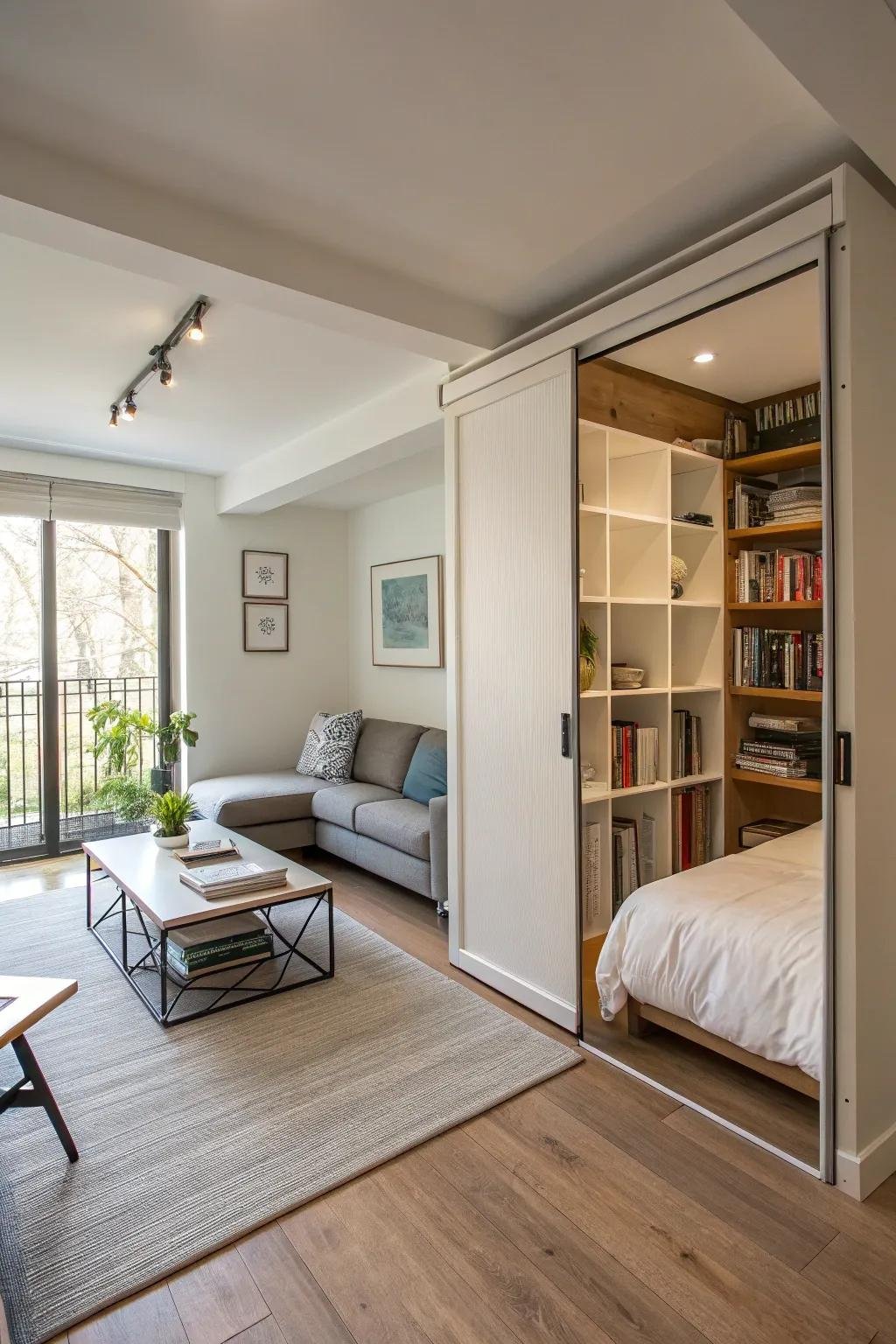
Image source: Web (Bing) / lightandlayer.com (Web image (fair-use with source credit))
The Real Problem: Why Minimalist Small-Space Living Falls Apart
Most people fail because they start with the wrong step. They buy storage bins before they question what they own. They order a sofa bed that nobody actually wants to sleep on.
The room looks minimal but functions badly.
The deeper issue is that "minimalist" gets treated as a look. Real minimalist small space living is a workflow. It starts with constraints, not aesthetics.
Three failure patterns repeat across reviews, forums, and editorial research:
- The storage-first trap. Stacking bins and baskets for items you rarely use. More containers, same clutter.
- The multifunctional empty promise. A convertible piece that does three things poorly instead of one thing well.
- The aesthetic over function gap. A space that photographs beautifully but has nowhere to sit and eat comfortably.
Each failure maps to a variable. Square footage. Rental rules.
Other people. Solve those, and the rest follows.
The Quick Answer: Two Questions That Route Every Decision
Minimalist small space living starts with honest questions. Not purchases. Ask what you actually use.
Ask what you refuse to lose. Everything else follows.
Two questions will route every decision you make from here.
Question 1: How small is your space really? Under 300 square feet forces different choices than 300 to 600. A sub-300 space needs foldaway everything. A 450-square-foot space can handle a proper sofa and a dedicated desk zone.
Question 2: Can you change the space, or are you working inside someone else's rules? Owners can install built-ins and Murphy beds. Renters need renter-friendly upgrades like tension rods and command hooks. Mixing those up is where the frustration starts.
There is a third variable that complicates both questions. Who lives there with you. We will dig into all three next.
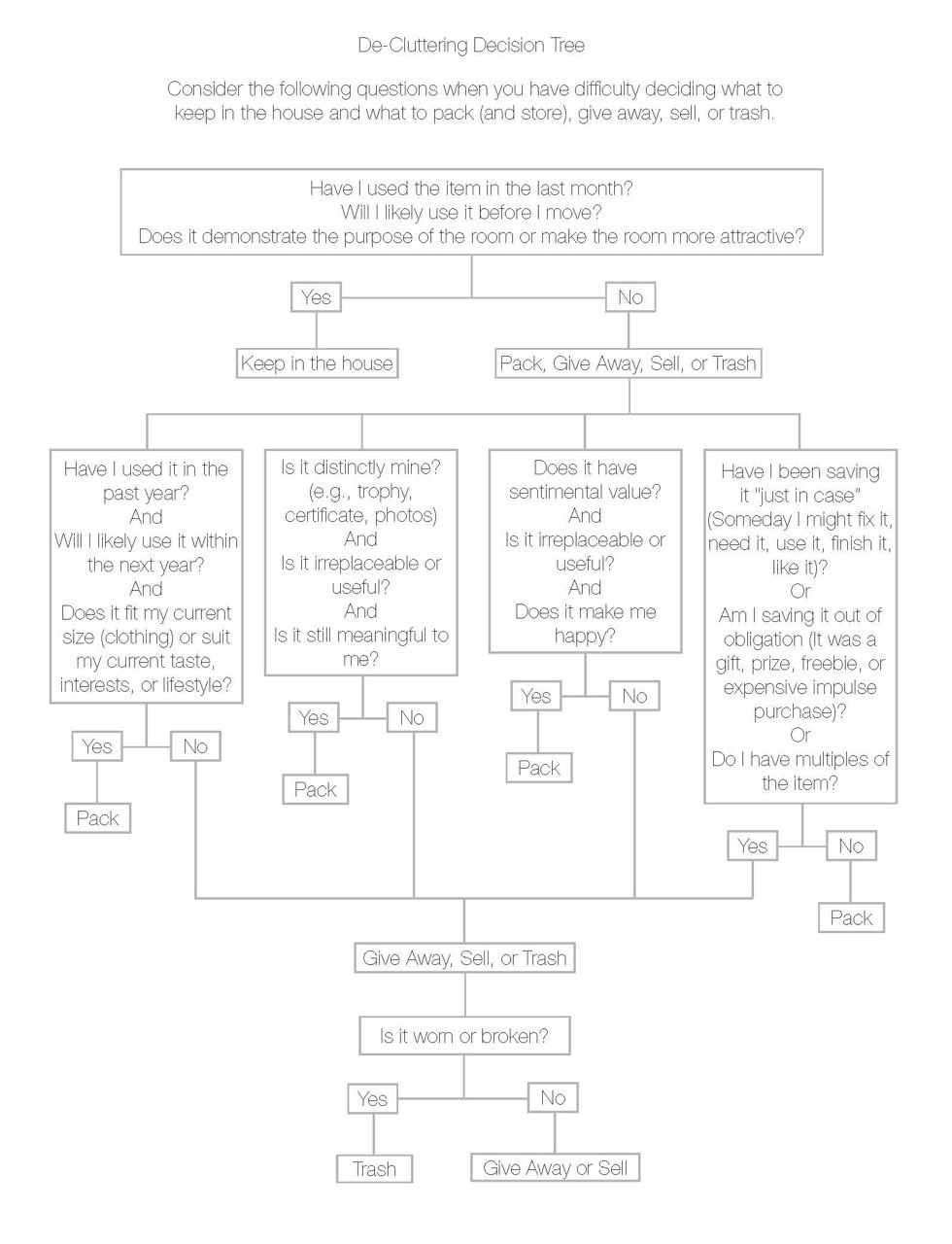
Image source: Web (Bing) / ca.pinterest.com (Web image (fair-use with source credit))
The 3 Variables That Change Your Approach
Square footage, rent versus own, and household size. These three variables change which tips actually apply to your situation.
| Variable | What it forces | Your key constraint |
|---|---|---|
| Under 300 sq ft | Foldaway furniture, multi-level layouts, vertical storage | Every item must earn its footprint |
| 300 to 600 sq ft | Zoning with dedicated areas | Clear boundaries between sleep, work, lounge |
| Renter | Reversible, temporary, renter-friendly upgrades | No drilling into walls, no permanent fixtures |
| Owner | Built-ins, Murphy beds, custom shelving | Decisions get locked in, harder to undo |
| Solo | Full control over decluttering | Only your own sentimentality to fight |
| Shared | Compromise on what stays | You cannot declutter someone else's stuff |
How to read this table
If you live alone in a 500-square-foot owned apartment, you have the easiest path. Built-ins, permanent zoning, full decluttering control. If you are a couple sharing a 350-square-foot rental, the math changes completely.
Reversible solutions only. Two sets of opinions on everything.
When two variables collide
The hardest setup is a shared rental under 400 square feet. It combines every constraint at once. In that case, skip bulky furniture entirely.
Use room dividers, floor cushions, and wall-mounted storage that moves with you.
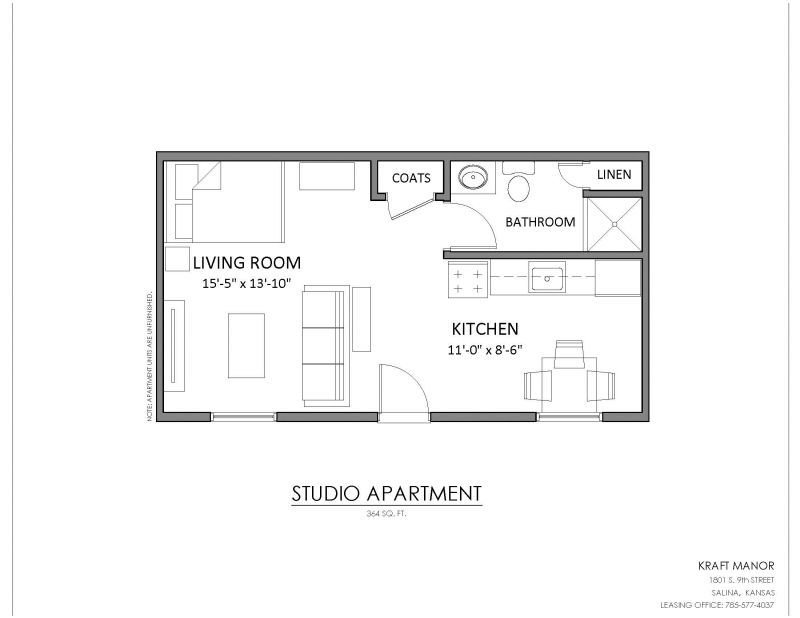
Image source: Bing (Web (fair-use with source credit))
Decision Branches: What to Do for Each Situation
Once you know your variable set, the path forward is clear. Here are the three most common branches.
Branch 1: Renter in a sub-400-square-foot studio
Everything must be portable. Use a rolling cart as a kitchen island and nightstand. Choose a fold-down desk and a sofa bed only if you genuinely host overnight guests.
If you do not host, a standard sofa is more comfortable and cheaper. Measure doorways and stairwells before buying anything large.
Branch 2: Owner in a tiny house or micro-apartment
Go permanent. Install floor-to-ceiling shelving, a Murphy wall bed, and built-in storage under staircases. This is where you get the full minimalist look because the infrastructure hides the clutter.
Spend money once on quality built-ins rather than patching together temporary units.
Branch 3: Shared space with a non-minimalist
This branch demands boundaries, not aggressive decluttering. Claim one shelf, one drawer, or one closet section as your personal zone. Never donate someone else's belongings.
Instead, negotiate one shared area, like the entryway or kitchen counter, and keep that clear as a team. The space will feel calmer without a single conflict about a single item.
Step-by-Step: How to Declutter and Zone Your Space in a Weekend
You can go from chaotic to functional in one weekend. The trick is order. Declutter first.
Zone second. Buy storage last, if you even need it.
Saturday morning: Full-space audit
Take a photo of every room. Pull everything out of closets, cabinets, and drawers. Sort into three piles: daily use, occasional, and sentimental.
Anything that falls into none of those goes to donate or trash.
Saturday afternoon: Measure and plan
Measure every wall, doorway, and stairwell. Sketch a simple floor plan. Mark zones: sleep, work, lounge, dining, entry.
Keep at least a 24-inch walking path between zones. If you cannot walk through, the layout is wrong.
Sunday morning: Set up your zones
Place furniture according to your plan. Use a bed as a room divider in a studio. Point a desk at a window.
Put the lounge area near natural light. Anchor any tall furniture to the wall per U.S. Consumer Product Safety Commission guidance to prevent tip-overs.
Sunday afternoon: Storage, but only what you need
Now you can buy storage. Shallow shelves for daily items. Closed bins for occasional and seasonal gear.
Hidden storage for things that do not look good on display. If a storage bin has no assigned purpose, do not buy it. You are solving a layout problem, not a container problem.

Image source: Web (Bing) / thetennillelife.com (Web image (fair-use with source credit))
The Biggest Mistakes That Make Small Spaces Worse
You will make mistakes. That is fine. The goal is to skip the expensive ones.
Mistake 1: Over-decluttering. People purge everything, then rebuy the same items within a month. Keep daily-use items within arm's reach. Occasional gear goes in labeled bins.
Sentimental items stay in a small, deliberate box.
Mistake 2: Buying multipurpose furniture for the wrong reason. A sofa bed is great if guests actually come. If they don't, you are sleeping on a lumpy fold-out mechanism. In our research, buyers who bought convertible pieces for hypothetical guests regretted it most.
Mistake 3: Ignoring vertical space. The top two feet of wall in a studio is prime real estate. Floating shelves, overhead racks, and wall-hung bike mounts store items without eating floor area. Just keep the daily-use stuff between waist and eye level.
Mistake 4: Blocking daylight and airflow. Large furniture in front of windows makes a small room feel like a cave. Keep the lowest-profile items near the light source.
Mistake 5: Forgetting the wall-mount match test. Wall-mounted desks need studs. Murphy beds need rated anchors. A heavy shelf on drywall alone is a hazard, not a design choice.
Frequently Asked Questions
How do I start minimalist small space living?
Start with a full-space audit, not a shopping trip. Pull everything out, sort into daily, occasional, and sentimental. Donate the rest.
Then measure your walls and map out zones before buying any storage.
What should I never buy for a small space?
Skip oversized sectionals, bulky desks, and decorative clutter that serves no function. Also avoid cheap multipurpose furniture that wobbles. A solid, dedicated chair that fits your body beats a flimsy convertible that fits your aesthetic.
Can I live minimally in a studio apartment with my partner?
Yes, but you need distinct zones. Claim separate storage areas, keep one shared clear surface, and agree on a one-in, one-out rule. Never declutter your partner's belongings without asking.
Negotiate the shared spaces like the kitchen and entryway first.
How long does a weekend declutter actually take?
A focused weekend works for a studio or one-bedroom. Expect four to six hours for the audit, two hours for measuring and planning, and half a day for setup. Maintenance takes ten minutes daily if you follow the one-in, one-out rule.
Final Recommendation: Your Decision Guide for Minimalist Small-Space Living
Here is the whole article compressed into one rule. Match your strategy to your constraints.
| Your situation | Your best move |
|---|---|
| Renter, under 400 sq ft | Portable furniture, vertical storage, fold-down desk |
| Owner, tiny house or micro-apartment | Built-ins, Murphy bed, permanent zoning |
| Shared space with a non-minimalist | Negotiated zones, personal storage boundaries |
| Solo, over 400 sq ft | Convertible furniture only where guests actually visit |
Start with the space audit. Then measure. Buy storage only after the layout works.
Remember that minimalist small space living is not about owning nothing. It is about owning the right things in the right place. The right first step is always the same.
Take everything out. Decide what earns its square footage. Then put the rest away in a way that actually fits your life.