
Moving into a new apartment is equal parts exciting and overwhelming. You're surrounded by boxes, you can't find the coffee maker, and the last thing you need is a vague list of tasks. A new apartment organization checklist should help you unpack fast, avoid buying organizers you don't need, and set up systems you'll actually keep.
In our research, the National Association of Professional Organizers recommends treating the first 48 to 72 hours as your main decision window. That's when every item learns where it lives. As of 2026, the best checklists aren't about perfect aesthetics.
They're about making the first week feel calmer, which is exactly what this guide walks you through.
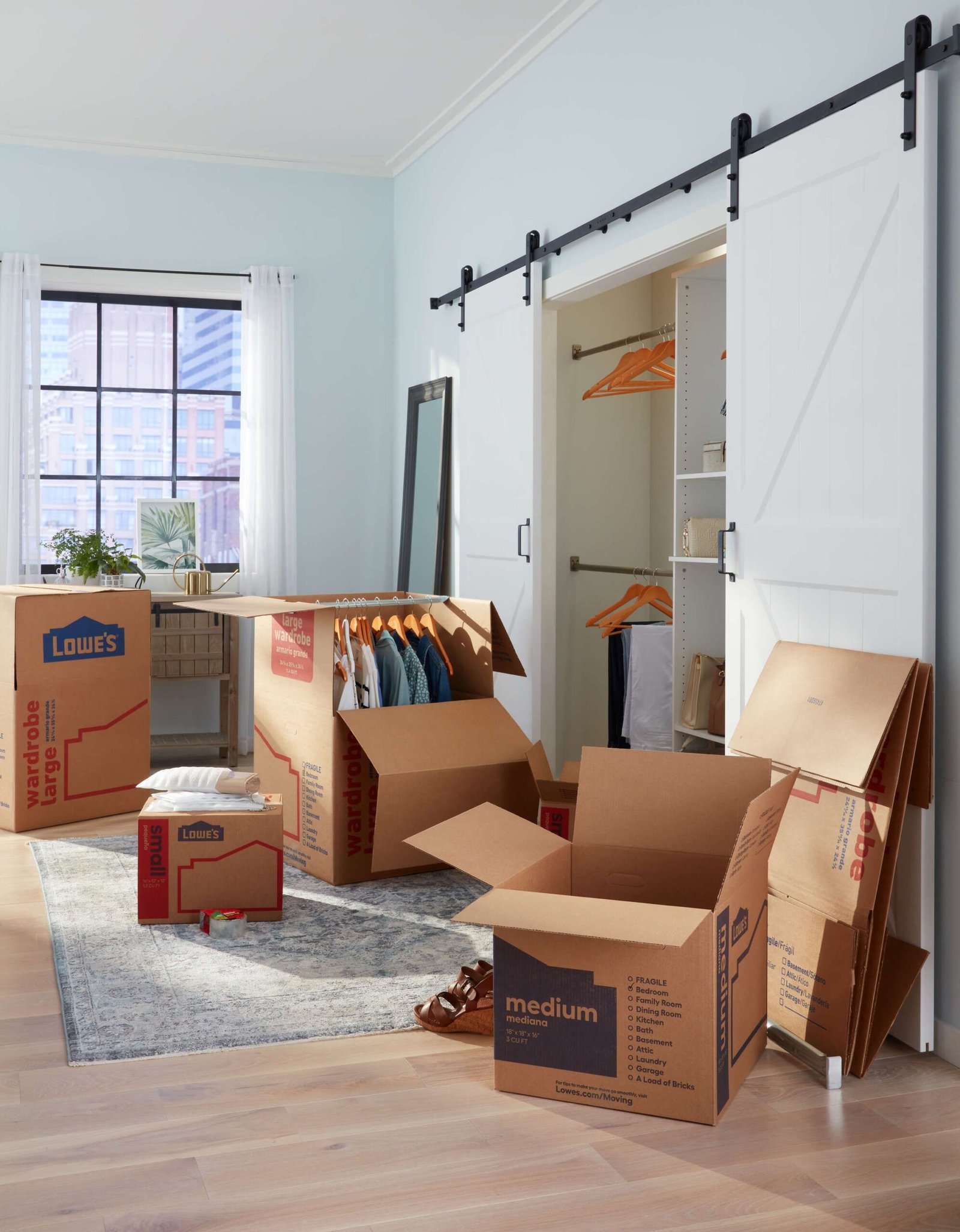
Image source: Web (Bing) / pinterest.com (Web image (fair-use with source credit))
Quick Answer: The 48-Hour Unpacking Plan
Unpack the essentials first. Set up the bedroom before the living room. Give every item a home before buying more storage.
Break down empty boxes immediately. Finish the rest within three days.
Why the first two days set the tone
Your brain needs a functional space to relax. Once the bed is made and the bathroom is stocked, the apartment starts to feel like yours. That sense of progress drives everything else.
Decor can wait, but a working bedroom and kitchen can't.
Essential items to unpack first (and what can wait)
If you use it within the first night, it's essential. If not, it stays in the box. Keep these on top:
- Toiletries, medications, and a towel
- Bedding and a pillow
- Phone charger and power strips
- Coffee maker, mug, and one pan
- Cleaning basics for a quick wipe-down
Everything else gets a spot over the next two days. If you have roommates, mark your essentials bag with your name. That avoids awkward "where's my charger" conversations.
How to Unpack Without Making a Bigger Mess
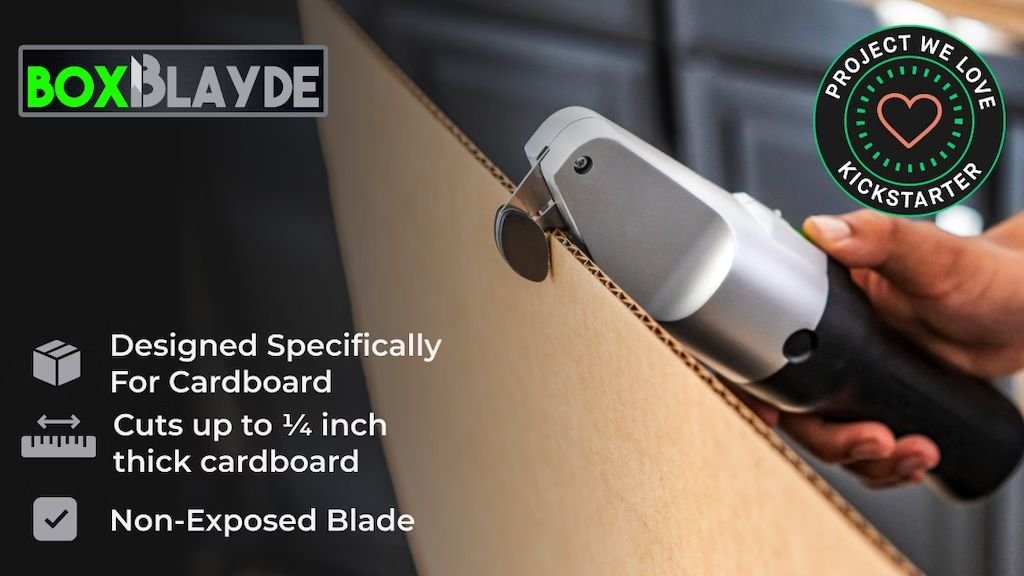
Image source: Web (Bing) / hunt4best.com (Web image (fair-use with source credit))
Sort by zone, not by room
The fastest way to stall a move is to open every box where it lands. Instead, read the label and carry the box to its zone. If it's kitchen gear, it goes to the kitchen.
If it's linens, it goes near the bedroom. That one habit cuts wandering time by hours.
Supplies to keep, boxes to break down
Keep packing paper, bubble wrap, and clean boxes for the first two days. You'll need them for returns or out-of-season storage. Break down everything else immediately.
Empty cardboard stacks up fast, blocks doorways, and becomes a fire risk in tight units. A good box cutter makes the job faster.
Label boxes on the side, not just the top. Stacked boxes hide their labels the moment they hit the floor. A marker and 30 seconds per box keeps you from opening the same carton twice.
Room-by-Room Organization Decisions That Save Space

Image source: Web (Bing) / amazon.com (Web image (fair-use with source credit))
Every apartment has a few high-pressure zones. Tackle them in this order: entryway, kitchen, closet, bathroom. The living room can wait.
| Room | First move | Biggest win |
|---|---|---|
| Entryway | Add a hook wall and a catch-all tray | Keys, mail, and bags stop covering the counter |
| Kitchen | Put daily-use items on upper shelves, heavy items on lower shelves | Reaching less saves time and prevents strain |
| Closet | Hang what wrinkles, fold what doesn't | Doubles usable space |
| Bathroom | Use under-sink bins for backups, counter for daily items | Less visible clutter means quicker cleaning |
If you have a studio apartment, let furniture do double duty. A bed with drawers, an ottoman that opens, or a folding desk gives you storage without eating floor space. Use vertical space with shelf risers and over-door racks.
Check your lease before drilling, though.
The Keep / Toss / Store Decision Guide
Go box by box, not pile by pile. Hold each item once, then make the call. If you've used it in the last six months, keep it.
If you forgot you owned it, donate or sell it. If it's seasonal or sentimental, store it in a labeled clear bin.
The "maybe" box is a trap. Give yourself a two-week deadline. If you haven't opened it by then, donate it.
If an item belongs to someone else's home, send it back. The same goes for duplicates like extra coffee mugs and half-used pens.
Don't buy bins until you've sorted. You'll end up buying containers for things you don't need. That's money and space wasted, and both are in short supply in a new apartment.
Lease-Friendly Hacks: No-Drill, No-Damage Solutions

Image source: Bing (Web (fair-use with source credit))
Most apartment leases have a clause about holes in the walls. Before you hang anything, read that section carefully. If it says "no nails," your options are Command hooks, tension rods, and over-door racks.
Manufacturer specifications for adhesive strips list weight limits right on the box, so check them before loading a shelf.
You can still get plenty of vertical storage without drilling. Tension rods fit inside closets, between cabinets, and across windows for extra hanging space. Over-door hooks work for robes, bags, and cleaning supplies.
A wall-free shoe organizer is a good choice for a tiny entryway.
Anchoring furniture isn't optional, even in a rental. The U.S. Consumer Product Safety Commission recommends securing any freestanding shelf or dresser taller than 30 inches.
That keeps kids and roommates safe, and it prevents damage when a heavy unit tips over.
Keep pathways clear, too. Don't stack boxes in front of the electrical panel or along the fire escape route. Landlords and local codes usually require easy access, and it keeps your moving days safer.
Mistakes Everyone Makes (And What It Really Costs)
Buying bins before you measure is the most expensive mistake. A 14-inch bin won't make a 12-inch shelf deeper. Aggregate buyer feedback shows $30 to $80 wasted on organizers that simply don't fit.
Measure, list what you need, then shop last.
Unpacking every box where it lands doubles your work. You'll carry the same lamp across three rooms before it finds a home. Sort boxes by zone instead.
If a box isn't labeled, open it right there and decide on the spot.
Ignoring vertical space pushes everything onto the floor. The top foot of every closet stays empty while your corners pile up. Shelf risers, over-door racks, and adhesive hooks fix that fast.
Skipping a nightly reset is the sneakiest failure. Ten minutes of tidying keeps systems alive. It's one of the cheapest habits you can build in a new home.
| Mistake | Real cost | Better move |
|---|---|---|
| Buying bins before measuring | $30 to $80 wasted | Measure, then shop |
| Unpacking boxes in random spots | Hours of double-carrying | Sort by zone as you go |
| Ignoring vertical space | Cramped floor, full clutter | Use risers, hooks, over-door racks |
| Skipping a daily reset | Clutter returns in two weeks | 10-minute tidy every night |
| Blocking the electrical panel | Lease violation, safety risk | Keep access zones clear |
Frequently Asked Questions
Straight answers to the questions that come up on every move. No fluff, just decisions.
How long should unpacking and organizing take?
Plan for 48 to 72 hours on the essentials. That covers the bedroom, bathroom, and kitchen. Full decorating and deep organization can stretch for another week.
If you haven't touched an item within two weeks, reassign it or donate it.
What should I do if my apartment has no pantry?
Use a freestanding shelving unit or a rolling kitchen cart. A 48-inch utility shelf gives you four to five usable shelves without touching the walls. Look for units rated for at least 100 pounds per shelf.
Keep daily-use items at eye level and backups on the lower racks.
How do I organize a shared apartment with roommates?
Give each person one cabinet, one shelf, and one fridge section. Label them clearly so there's no guesswork. Set up a shared cleaning kit and a shared snack shelf.
Use a whiteboard checklist on the fridge for essentials like milk and paper towels.
Should I hire a professional organizer?
Only if the process feels completely overwhelming. Professional organizers charge $55 to $100 per hour, which adds up fast. Try the 72-hour DIY plan first.
If daily routines still feel chaotic, then bring in help from a NAPO-certified organizer.
What should I unpack first?
The bathroom and bedroom come first. You need a shower, a bed, and your medication accessible. Pack one clear "open me first" box with those items.
Label it on four sides so it never gets buried. Everything else follows a zone-by-zone plan.
Final Verdict: Build Your Own Apartment System
No checklist fits every rental. Your floor plan, roommates, and schedule change the order. But the first 72 hours set the pattern for everything after.
| Your situation | Focus on | Skip for now |
|---|---|---|
| Studio apartment | Vertical space and multi-use furniture | Big storage bins |
| Shared one-bedroom | Labeled zones and separate shelves | Matching decor |
| Walk-up with no elevator | Heavy items on lower floors first | Wall art and extras |
| Moving during the workweek | Essentials bag and one micro-zone | Full room makeovers |
| First apartment under 400 sq ft | One multi-functional piece per room | Trendy bins |
If the space feels tight, go vertical. If you rent, keep the walls intact. If you're exhausted, make the bed and unpack the bathroom first.
Track what annoys you for two weeks. Adjust those spots one at a time. That's how a generic checklist becomes your personal system.
After that, the daily 10-minute reset is the only maintenance you need.