
Small bedroom organization with no closet starts with one hard truth: you can’t organize your way out of a bad layout. If clothes, shoes, laundry, and bedding are all fighting for the same corner, the room will feel messy even after you tidy it. The fix is to treat the bedroom like a tiny floor plan, not just a place to add bins.
In our research, the best bedroom storage choices come down to clearance, reach, and load limits. A standard hanging section usually needs about 40 inches of vertical space for shirts and around 60 inches for dresses or long coats. Once you know what has to hang, fold, hide, or stay within reach, the room gets much easier to plan.
Quick Answer
Small bedroom organization with no closet works best with clear storage zones. Use vertical space, under-bed storage, and one hanging area. Keep daily clothes at arm height.
Store seasonal items out of the way. Measure before buying any storage.

Image source: Web (Bing) / storage.googleapis.com (Web image (fair-use with source credit))
Start with a visual room map before buying storage
A visual room map is a simple sketch of your bedroom. It shows doors, windows, furniture, outlets, heating vents, and walking paths. You don’t need design software.
Graph paper, a notes app, or painter’s tape on the floor works fine.
Start by measuring the room length, width, ceiling height, and open wall spaces. Then mark anything fixed, like radiators, vents, outlets, sloped ceilings, or awkward corners. These details decide where storage can actually fit.
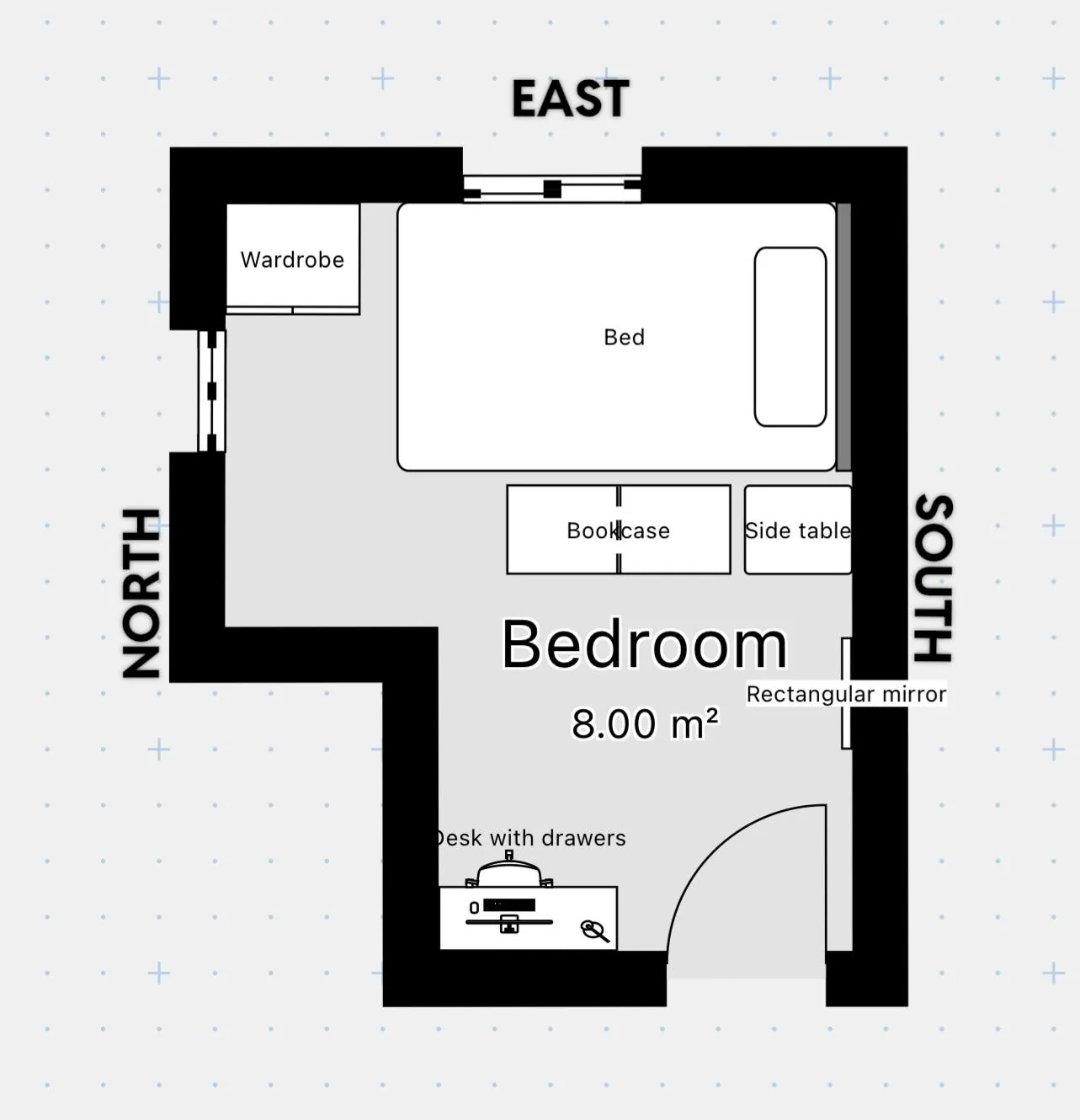
Image source: Web (Bing) / storage.googleapis.com (Web image (fair-use with source credit))
Your sketch should include:
- Door swing and drawer pull-out space
- Bed size and under-bed clearance
- Usable wall width for shelves or rails
- Window height and sill position
- Walking path from the door to the bed
- Heating, cooling, and outlet locations
If the room feels cramped now, look for blocked movement first. A dresser that opens into the bed path will annoy you every day. A garment rack beside the door can turn into a shoulder-bumping obstacle.
As of 2026, many small-space storage systems list exact product dimensions online. Compare those numbers against your sketch before buying. Manufacturer specifications show that slim wardrobes often need 19 to 24 inches of depth, and that depth matters in a narrow bedroom.
Build your no-closet bedroom around 5 storage zones
A no-closet bedroom works better when every item has a type of storage. Think in zones. Each zone should match how often you use the item.
Hanging clothes zone
Your hanging zone is for anything that wrinkles, needs airflow, or gets worn often. That could mean work shirts, jackets, dresses, uniforms, or trousers. In a small room, this zone should be narrow, tidy, and easy to reach.
Good options include:
- A freestanding garment rack
- A wall-mounted clothing rail
- A compact open wardrobe
- A curtain-covered hanging rail
Keep the rail from becoming your whole wardrobe. If it looks crowded, it is crowded. Clothes need breathing room, or they wrinkle and collect dust.
Folded clothes zone
Folded clothes belong in drawers, cube storage, or closed bins. T-shirts, knitwear, activewear, underwear, and pajamas usually do better folded than hung. A tall dresser often beats a wide dresser because it uses vertical space without taking over the floor.
File-folding helps because you can see each item from above. Drawer dividers also stop small pieces from sliding into one messy pile.
Shoe and accessory zone
Shoes need a defined home, or they’ll spread across the floor. Use the lowest shelf, a slim shoe cabinet, or an over-door shoe organizer. Accessories work best in shallow trays, hooks, small boxes, or drawer inserts.
Under-bed or hidden storage zone
Use this zone for seasonal clothes, spare bedding, luggage, and bulky items. Clear bins help if you forget what’s stored away. Fabric bags work well for soft items, but they can sag when overfilled.
Laundry and repeat-wear zone
Every no-closet room needs a laundry plan. Add one hamper and one small hook or basket for worn-but-not-dirty clothes. Without that landing spot, a chair becomes the closet.
Best storage options for a small bedroom without a closet
The best storage option depends on what you own and what your room can handle. Don’t start with the prettiest piece. Start with the job it needs to do.

Image source: Web (Bing) / fity.club (Web image (fair-use with source credit))
Use this quick comparison before choosing:
| Storage option | Best for | Watch out for |
|---|---|---|
| Freestanding wardrobe | Closed clothing storage | Needs floor depth |
| Garment rack | Daily hanging clothes | Can look cluttered |
| Tall dresser | Folded clothes | Must be stable |
| Under-bed bins | Seasonal storage | Check bed clearance |
| Wall shelves | Accessories and bins | Needs proper anchors |
| Over-door organizer | Shoes and small items | Can affect door closure |
What if you only have one free wall?
Use that wall for the category you touch most. If you wear hanging clothes daily, make it a rail or wardrobe wall. If most of your clothes fold, use a tall dresser with shelves above it.
What if you rent and can’t drill?
Choose freestanding pieces first. A garment rack, dresser, rolling cart, over-door organizer, and under-bed bins can create a full closet substitute. For adhesive hooks, follow the manufacturer’s surface and weight guidance closely.
For tall furniture, safety matters even in a small room. The U.S. Consumer Product Safety Commission gives clear guidance on anchoring furniture to reduce tip-over risk at CPSC.gov.
That matters for wardrobes, dressers, and shelving units, especially around children.
Layout ideas based on your room shape and daily habits
A good layout should make the room easier to move through. It should also make your morning routine faster. If the storage looks nice but blocks your path, it’s the wrong layout.
Narrow bedroom layout
In a narrow room, keep storage on one long wall if possible. Choose shallow pieces, like a slim dresser, wall hooks, or a narrow garment rack. Avoid placing deep furniture across from the bed if it leaves no walking clearance.
A practical narrow-room setup looks like this:
- Bed pushed to one long wall
- Tall dresser near the foot of the bed
- Hanging rail on the opposite long wall
- Under-bed bins for seasonal overflow
- Hooks behind the door for robes or repeat-wear clothes
Square bedroom layout
Square rooms give you more flexibility, but they can still feel crowded. Put the bed where it creates the clearest path from the door. Then place clothing storage on the wall you see least from the bed.
Closed storage works especially well in square bedrooms. A wardrobe or armoire can hide visual clutter and make the room feel calmer.
Rental-friendly no-drill layout
For renters, build from the floor up. Use a freestanding wardrobe, rolling rack, tall dresser, storage bed, and over-door organizer. Add tension rods only where the surface can handle pressure.
Keep heavy items low. Store light seasonal items higher. That keeps the setup safer and easier to reset when you move.
Shared small bedroom layout
Shared rooms need clear personal zones. Give each person one hanging section, one drawer area, and one shoe spot. Matching bins can help the room feel less chaotic, but labels matter more than matching colors.
Common small-bedroom storage mistakes that make the room feel worse
The biggest mistake is adding storage before removing anything. More bins won’t fix too many clothes. They usually hide the problem for a few weeks, then the overflow comes back.
Another common mistake is using too much open storage. Open racks and shelves can look great in photos, but real life adds laundry, tags, odd hangers, and half-worn sweaters. If you’re not naturally tidy, mix open storage with closed bins or drawers.
Watch for these layout problems:
- A garment rack blocking the door swing
- Drawers that can’t open fully
- Under-bed bins that scrape the frame
- Shoes stored in three different places
- Shelves placed too high for daily items
- Hooks overloaded with bags and jackets
- Seasonal clothing mixed with everyday clothes
Don’t ignore dust either. Clothes on open racks collect it faster than clothes in a wardrobe. Use garment bags for special pieces, and keep the rail edited.
The simplest rule is this: daily items should be visible and reachable. Occasional items can go under the bed, above a dresser, or inside labeled boxes. If you use that rule, the room stays easier to maintain.
Safety, measurements, and buying details to check before setup
Before you install shelves, rails, wardrobes, or tall dressers, check the practical details first. They’re the details that stop wobbling, blocked doors, damaged walls, and furniture tip-overs.
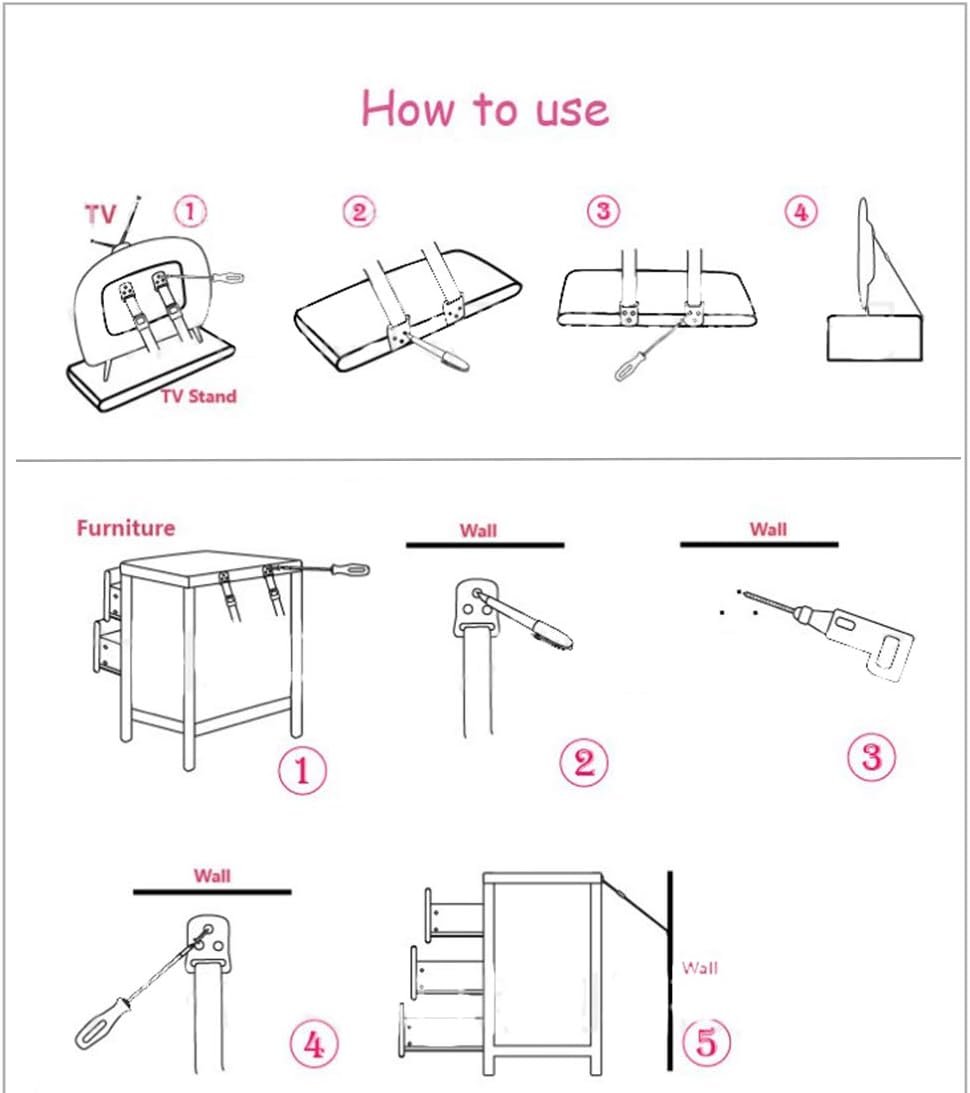
Image source: Web (Bing) / ubuy.co.in (Web image (fair-use with source credit))
Use this measurement checklist before you commit:
| What to measure | Why it matters |
|---|---|
| Wardrobe depth | Prevents blocked walkways |
| Drawer pull-out depth | Keeps drawers usable |
| Bed clearance | Confirms under-bed bins fit |
| Rail weight limit | Prevents bending or collapse |
| Shelf load rating | Stops sagging and wall damage |
| Door swing | Keeps entry paths clear |
Tall furniture should be anchored when the manufacturer calls for it. That includes dressers, wardrobes, bookcases, and tall cube storage. Follow the included hardware instructions, and use the right anchor for your wall type.
If you’re adding wall shelves, look for studs first. Drywall anchors can work for light loads, but heavy folded clothes, books, or storage boxes need stronger support. Manufacturer specs usually list maximum load per shelf, not per entire wall setup.
Don’t block heating vents, radiators, or electrical outlets. Leave airflow around stored fabrics, especially in humid rooms. The [U.S.
Environmental Protection Agency](https://www.epa.gov) advises controlling moisture indoors to reduce mold risk, which matters for sealed bins and under-bed storage.
For rentals, check your lease before drilling. If you can’t make holes, use freestanding storage, over-door organizers, and under-bed boxes. Save adhesive hooks for light items only, like belts, scarves, caps, or a single robe.
Frequently Asked Questions
How do you store clothes in a bedroom with no closet?
Use one hanging zone, one folded-clothes zone, and one hidden storage zone. Hang wrinkle-prone clothes on a rack or rail. Fold T-shirts, knitwear, underwear, and activewear into drawers or bins.
Put seasonal pieces under the bed or high on shelves in labeled containers.
Is a garment rack or wardrobe better for a small bedroom?
A wardrobe is better if you want clothes hidden and dust protected. A garment rack is better if you need cheap, flexible, visible storage. Choose a rack for daily outfits and short-term setups.
Choose a wardrobe if visual clutter makes the room feel messy.
What should go under the bed?
Store items you don’t need every day under the bed. Good choices include seasonal clothing, spare bedding, luggage, extra towels, and bulky sweaters. Use low bins with lids if dust is a problem.
Choose clear bins or large labels so you don’t forget what’s inside.
How do you make open clothing storage look tidy?
Limit the number of visible items first. Use matching hangers, leave small gaps between clothes, and group pieces by type or color. Add closed bins below the rack for shoes, bags, and accessories.
If it still looks busy, hang a simple curtain in front.
What’s the biggest mistake in a no-closet bedroom?
The biggest mistake is buying storage before measuring and decluttering. That often creates a crowded room with more places to hide clutter. Measure the walls, bed clearance, and drawer space first.
Then remove clothes you don’t wear before adding furniture.