
If your living room looks like a toy store exploded, you're not alone. Small space organization for families/kids is a different skill than regular decluttering. It depends on creating systems that match how a child actually moves through the day.
Most attempts fail because we buy bins before we understand the space.
One number worth remembering: the Consumer Product Safety Commission publishes reports showing that a child is injured by a furniture tip-over every 30 minutes in the U.S. That's why every shelf and dresser in this guide must be anchored to the wall. Once safety is covered, the rest is pure logistics.
Let's start with the real problem.
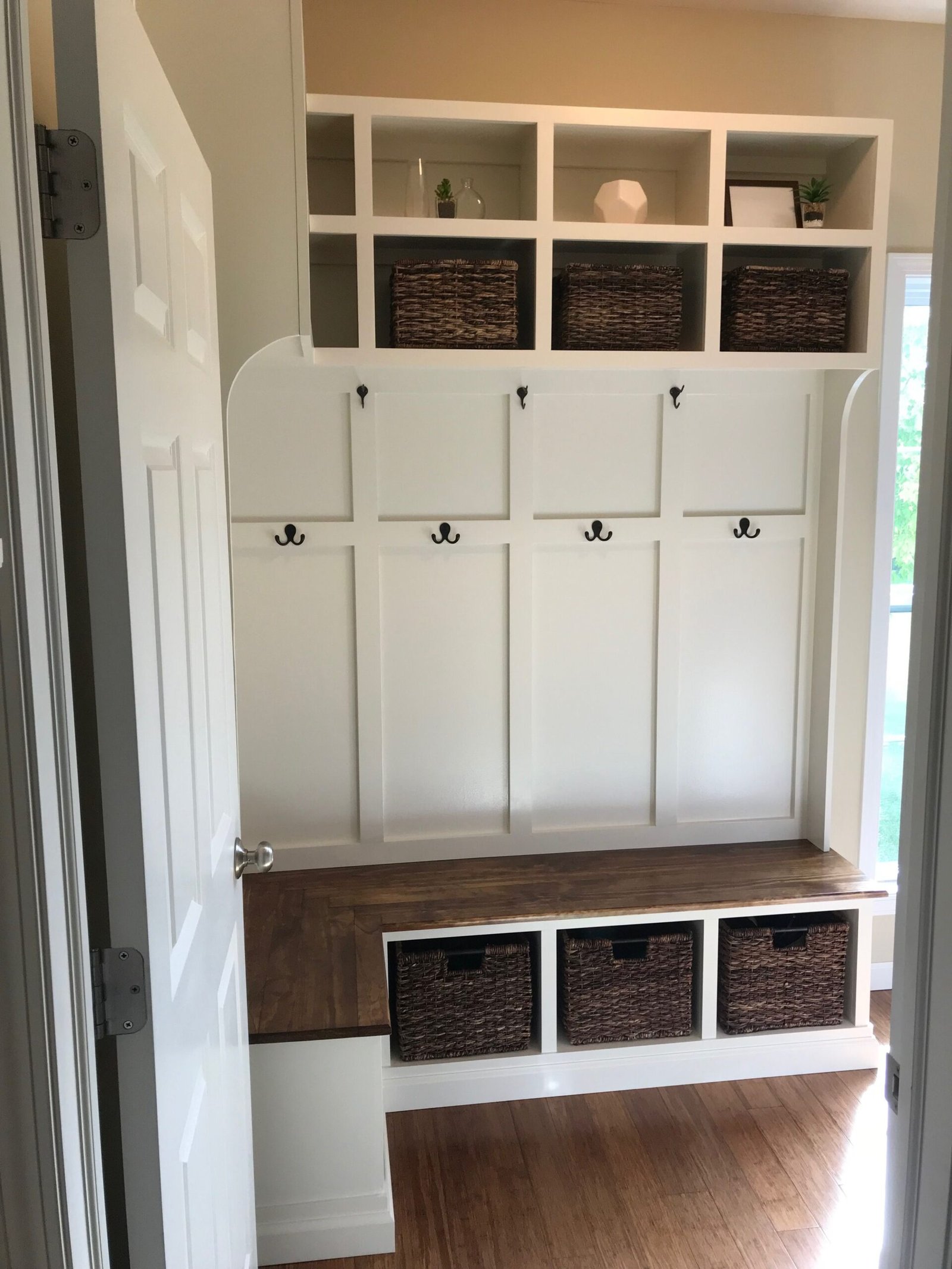
Image source: Bing (Web (fair-use with source credit))
The Clutter Spiral: Why Small Family Spaces Fail Without a System
Every family faces the same cycle. Toys come in faster than they leave, and without a dedicated home for each item, clutter spreads to every flat surface. In a small apartment or shared bedroom, there's no spare room to absorb the overflow.
Our research shows the root cause is rarely laziness. It's design. Most storage systems assume an adult will manage them.
Shelves sit too high, bins are too deep, and labels don't match what a toddler can process. When a three-year-old can't independently put a puzzle away, that puzzle stays on the floor.
That sets off a specific spiral: clutter builds, parents nag, kids tune out, and the eventual clean-up becomes a parent's job. Over time, the storage system gets abandoned because it feels like extra work. A small space magnifies this, because every misplaced item shrinks the play area further.
The fix isn't more bins. It's a system that assigns each item a reachable, visible, and labeled spot. Then the daily reset becomes simple enough for a child to complete.
Three Questions That Decide Your Storage Plan
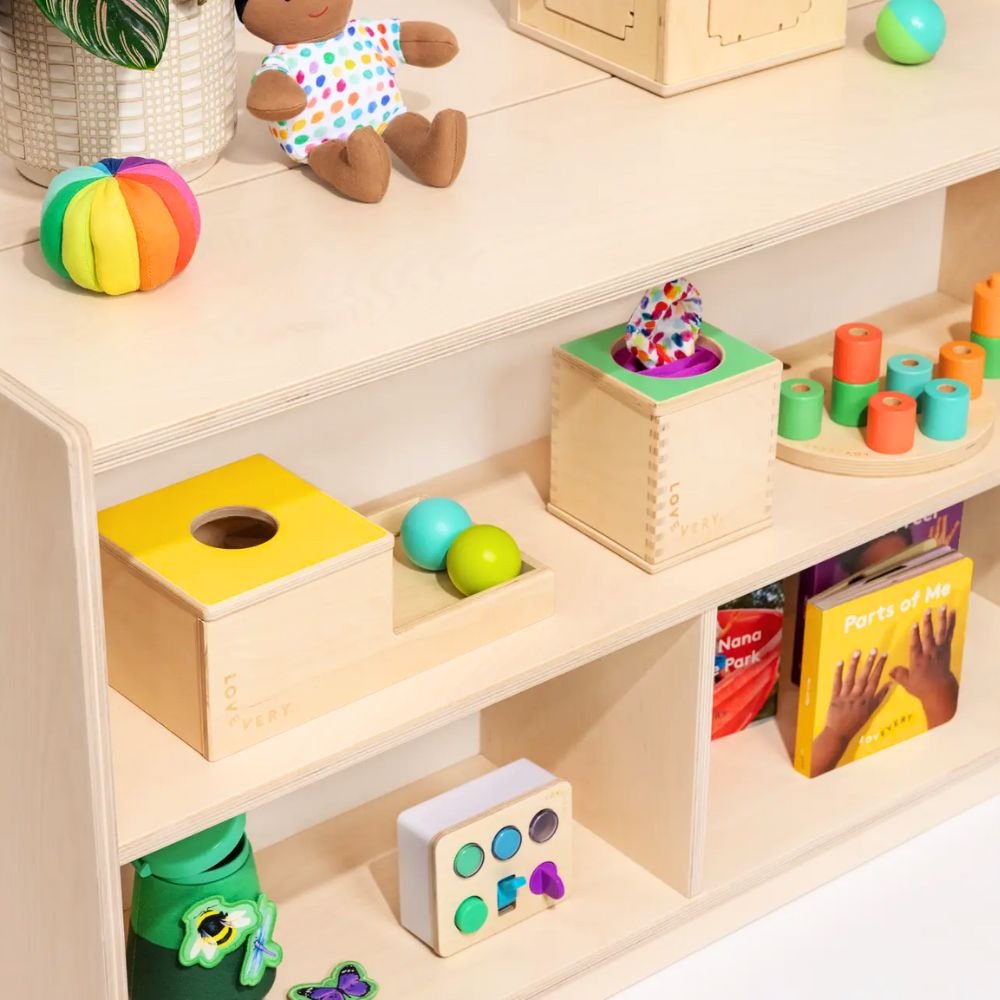
Image source: Web (Bing) / montessori-theory.com (Web image (fair-use with source credit))
Before buying anything, ask three questions. Honest answers will point you to the right layout.
Question 1: How many kids share the space? If one child sleeps and plays in the room, you can design zones freely. If two or more share, you'll need separate personal zones. Try labeled bins or individual shelves for private items.
Communal toys go in neutral storage in the middle.
Question 2: What's the child's age? For infants and toddlers, all storage should be low, open, and visible. Anything deep is an invitation for toys to disappear. For school-age kids, include closed storage, a desk zone, and hooks at their height.
Teens need more hanging space and a private drawer.
Question 3: Which activities happen in the space? If homework happens on the bed, add a lap tray or small portable desk. If dress-up is a daily ritual, put a dedicated bin near a full-length mirror. Always leave one empty bin for "stuff to deal with later."
Match the Setup to Your Family's Situation
Toddlers and Preschoolers: Low Bins, Visible Toys, and Rotations
For kids under five, accessibility beats everything. Use open cube shelving on its lowest levels. Store toys in clear bins or open baskets without lids.
Picture books face forward on a low ledge. Rotate a small selection of toys every two to four weeks to keep interest fresh without adding clutter.
School-Age Kids: Homework Zones and Sports Gear Hooks
School-age kids need a clear desk zone and a place for backpacks, jackets, and balls. Add wall-mounted hooks at shoulder height. Assign one drawer for completed schoolwork and one shelf for the book bag.
Keep sports gear in a mesh bag that hangs inside the closet door.
Shared Bedrooms: Personal Zones and Neutral Storage
When siblings share a room, separate zones prevent conflicts. Give each child a labeled bin, a shelf color, or a personal drawer. Use a shared cube shelf with one cube per kid plus a few neutral cubes for common toys.
Make a simple rule: personal items stay in personal space.
No Playroom: How to Compromise Without Losing Your Mind
No playroom means the living room doubles as a play zone. Use a rolling cart with a few favorite toys. Store the rest in a closet with stackable drawers.
At the end of the day, everything rolls or moves into its designated spot. Keep only what fits the cart.
The Small-Space Reset Workflow: Sort, Zone, Install, Label
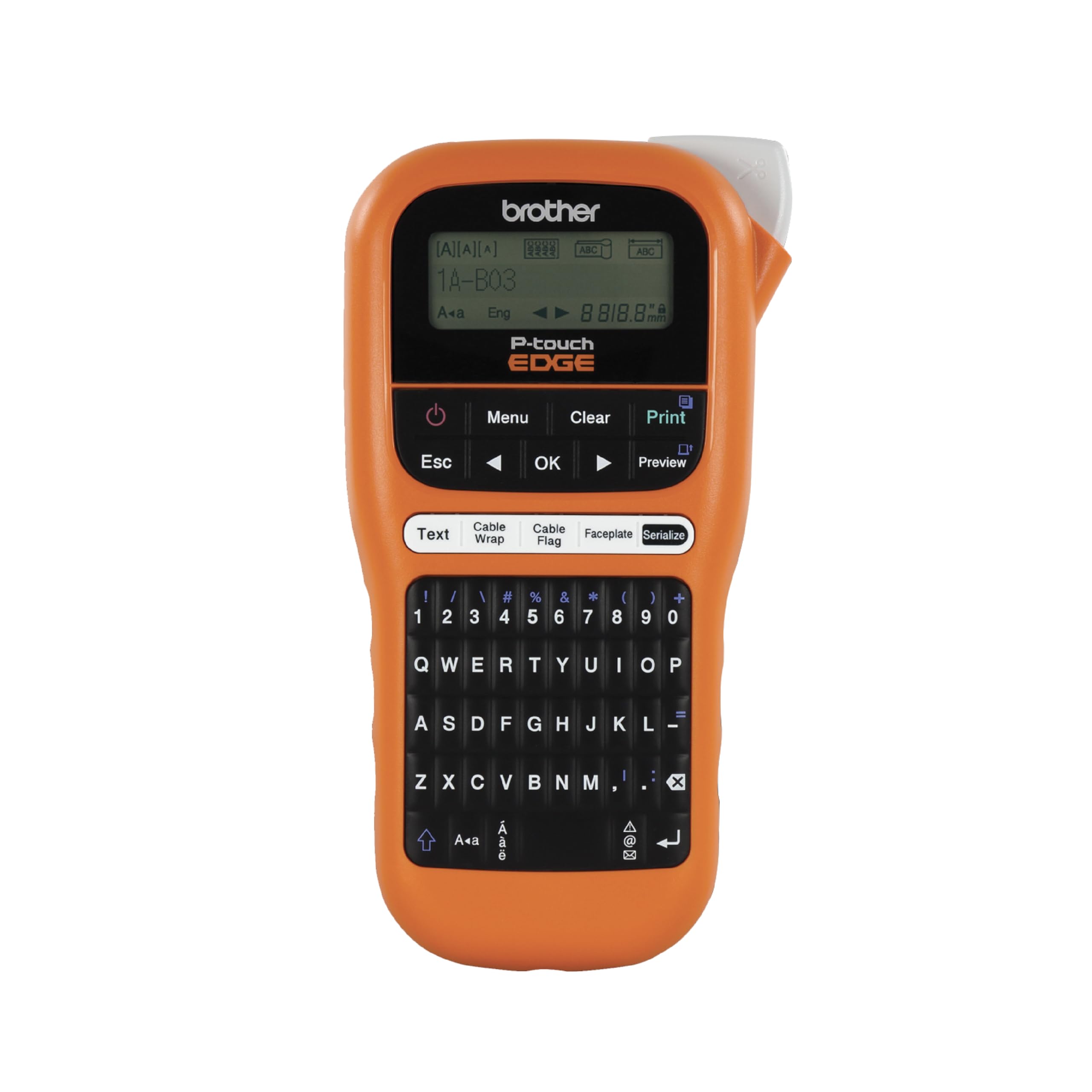
Image source: Bing (Web (fair-use with source credit))
Start fresh with a clean room. This workflow takes one weekend, and it works for any small space.
Step 1: Sort Everything
Empty the room completely. Divide items into keep, donate, trash, and maybe. The maybe box gets a 30-day expiration date.
If nobody retrieves it by then, it goes out.
Step 2: Measure Your Space
Measure wall widths, under-bed clearance, and closet rod height. A standard cube shelf needs 13 inches of opening per cube. Under-bed bins need at least 6 inches of clearance height.
Step 3: Define Zones
Assign an area for sleep, dress, play, and study. For a shared room, make separate zones visually clear with rugs or different wall colors. For a toddler, keep play and sleep separate.
For a teen, create a study zone that isn't the bed.
Step 4: Install and Anchor
Mount wall shelves and tall furniture with anti-tip straps. Per the U.S. Consumer Product Safety Commission, anchor anything taller than 30 inches.
Heavier items live on lower shelves.
Step 5: Label Everything
Use a label maker or simple handwritten tags. For non-readers, use icons or color coding. Place labels at the child's eye level, not yours.
| Step | Action | Time |
|---|---|---|
| 1 | Sort and purge | 1‑2 hours |
| 2 | Measure space | 15 minutes |
| 3 | Define zones | 30 minutes |
| 4 | Install and anchor | 1‑3 hours |
| 5 | Label and assign homes | 30 minutes |
Storage Shortlist: What Works in Tight Spaces (and What to Skip)
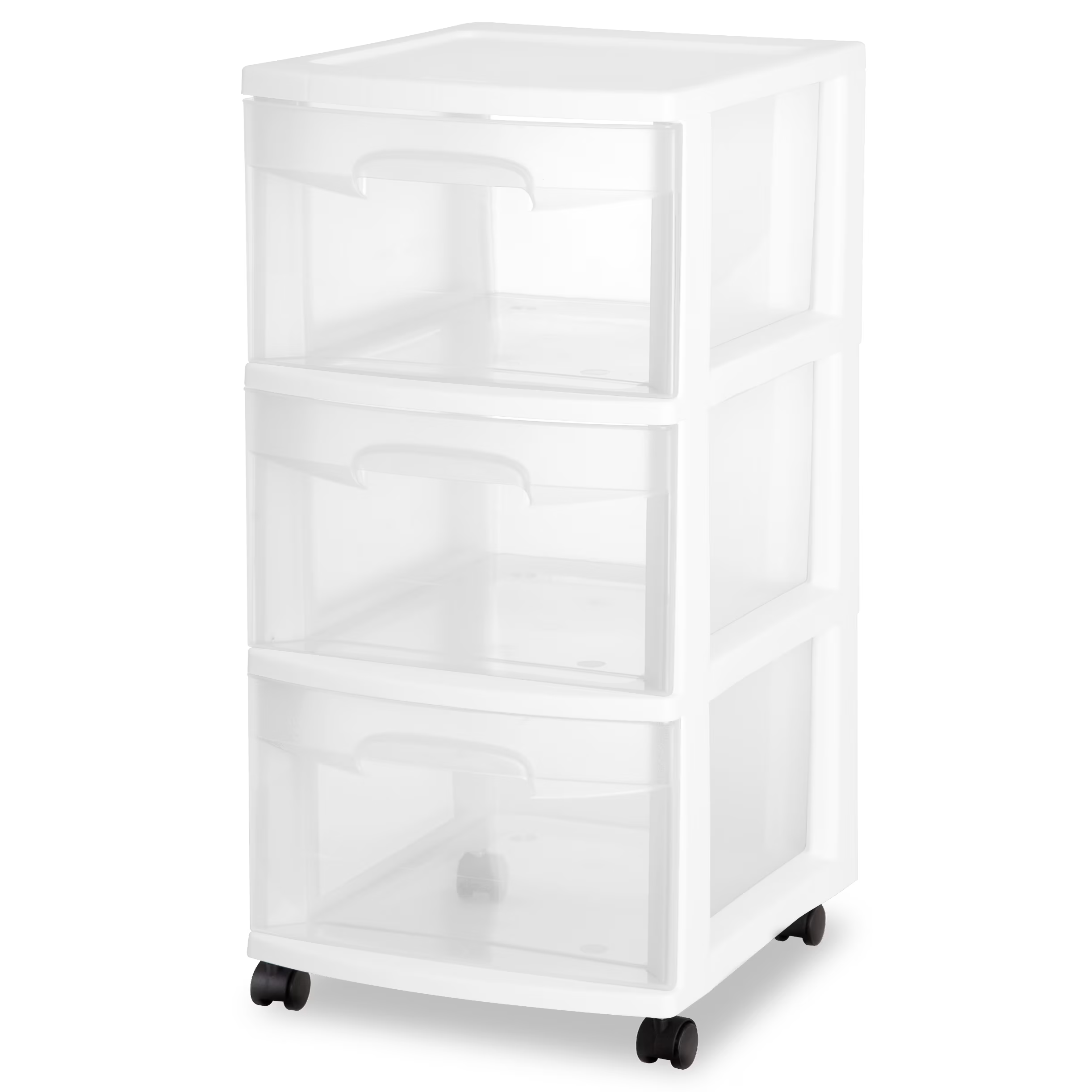
Image source: Web (Bing) / walmart.com (Web image (fair-use with source credit))
Not every storage product earns its floor space. As of 2026, the affordable market still favors modular cube units and stackable drawers. Here's what aggregate reviews and manufacturer specs tell us.
What Works
- Clear, uniform bins: Stackable and transparent, they show contents at a glance.
- Cube shelving units: Modular and cheap, they adapt as kids grow.
- Over-door organizers: Great for shoes, art supplies, or small toys.
- Stackable drawers: Ideal for closets and under desks.
- Rolling carts: Movable and flexible for play zones.
What to Skip
- Deep toy chests: Items pile up at the bottom and become a black hole.
- Open shelving in high-traffic rooms: It looks nice but catches dust and visual clutter.
- Step-stool-dependent storage: If a child can't reach it independently, you'll be the organizer.
| Storage Type | Best For | Watch Out |
|---|---|---|
| Cube shelving | Toys, books, baskets | Must anchor to wall |
| Clear bins | Legos, craft supplies | Buy thin-wall for light weight |
| Over-door organizer | Shoes, soft toys | Measure door depth before buying |
| Rolling cart | Living room play zones | Wheels may lock on carpet |
Here's the bottom line: choose storage that a child can operate alone. If you're the only person who can reach, open, or put things away, the system will die within two weeks. Buy less, label clearly, and anchor everything.
Common Mistakes That Make Small Spaces Feel Even Smaller
The first mistake is overbuying storage before you purge. Bins and baskets multiply until they crowd the room. Start by removing and sorting, then shop for what remains.
Another classic failure is ignoring the "one in, one out" rule. Birthdays and holidays flood toys in. When a new item arrives, an old one must leave.
Keep a donation bag in the closet so it's always ready.
Shelving positioned too high is a huge problem for young kids. If a child can't reach it without a step stool, they won't put things away. That turns you into the unpaid organizing staff.
Deep bins are the third trap. They hide small toys at the bottom and become a messy mystery. Use shallow, open containers instead.
Visibility drives independence.
If your storage has no labels, the system collapses. Labels at the child's eye level remind them where things go. Icons work for non-readers.
Skipping wall anchors is the most dangerous error. Tall shelves and dressers must be secured to the wall, especially when kids climb.
Quick Answers to Common Small-Space Organization Questions
How do I keep toys from spreading to the living room?
Give every toy a home in the kid's bedroom or play zone. Use a rolling cart or a single basket in the living room for the day's favorites. After dinner, the cart returns to its spot.
If the basket is full, something must go back before anything new comes out.
What's the best way to store toys in a small shared bedroom?
Assign one cube or bin per child for personal items. Use a shared color for communal toys. Keep personal bins on a shelf or in a separate drawer.
This prevents turf wars and gives each kid a clear boundary.
How often should I rotate toys?
Every two to four weeks works well. Rotate a small selection based on current interests. Store the rest in uniform bins in a closet or under the bed.
Rotation keeps toys feeling fresh without adding more stuff.
What should I do if my kid refuses to put things away?
Make the cleanup a game or set a timer for five minutes. Break the task into small steps like "put away all red blocks." If resistance continues, reduce the number of accessible toys. Fewer choices make cleanup less overwhelming.
Do I need to anchor furniture in a rental?
Yes. Per the U.S. Consumer Product Safety Commission, anchor anything taller than 30 inches.
Renting doesn't exempt safety. Use anti-tip straps that attach to the wall with screws or heavy-duty adhesive. Landlords generally allow small holes for safety devices.
Final Decision Guide: Find Your Starting Point
Let's simplify everything into a quick starting plan. Answer these three questions and you'll know exactly where to begin.
If your kids are under five: Focus on low, open bins and clear labels. Skip deep toy chests. Rotate toys every two to four weeks.
Anchor all tall furniture.
If your kids are school-age: Build a dedicated homework zone. Add hooks for backpacks and jackets. Use closed storage for craft supplies and keepsakes.
If your kids share a bedroom: Create personal zones with separate bins or shelves. Use neutral storage for communal items. Add a visual divider like a rug.
If you have no dedicated playroom: Use a rolling cart for daily toys. Store the rest in a closet with stackable drawers. End each day with a ten-minute family reset.
| Your Situation | Starting Action |
|---|---|
| Toddlers and preschoolers | Low bins, rotate toys, anchor everything |
| School-age kids | Homework zone, hooks, closed drawers |
| Shared bedrooms | Personal bins, neutral shared cubes |
| No playroom | Rolling cart, closet storage, daily reset |
That's the whole system in one paragraph. Purge first, then measure, then zone, then label. Keep the storage child-height and visible.
Anchor everything for safety. And let the daily reset become a shared family habit.
Small spaces don't need more stuff. They need smarter boundaries. Start with one corner, one shelf, or one bin.
The rest will follow.